
Japan
The casual food I ate in Japan
I took a two week trip to Japan in November of 2024, during which I indulged in a few high end sushi omakase (detailed in my food diary). But I also wanted to highlight the casual dishes I enjoyed. The trip spanned several cities across Ehime, Hiroshima, Aichi, and Gifu prefectures before finishing in Tokyo.
Regional specialties
One of my favorite aspects of traveling across Japan was the chance to learn about and experience the specialty dishes of each new place.
Sea bream
Sea bream is a white fish that’s can be found across Ehime served many different ways. One restaurant I ate at, Kadoya, was located in Matsuyama but served dishes reflecting the style of its original location in Uwajima. The taimeshi set meal featured sea bream sashimi that could be mixed with an egg-dashi mixture or a fish and citrus soup and eaten over rice. The set meal came with the usual accompaniments of soup and pickles.
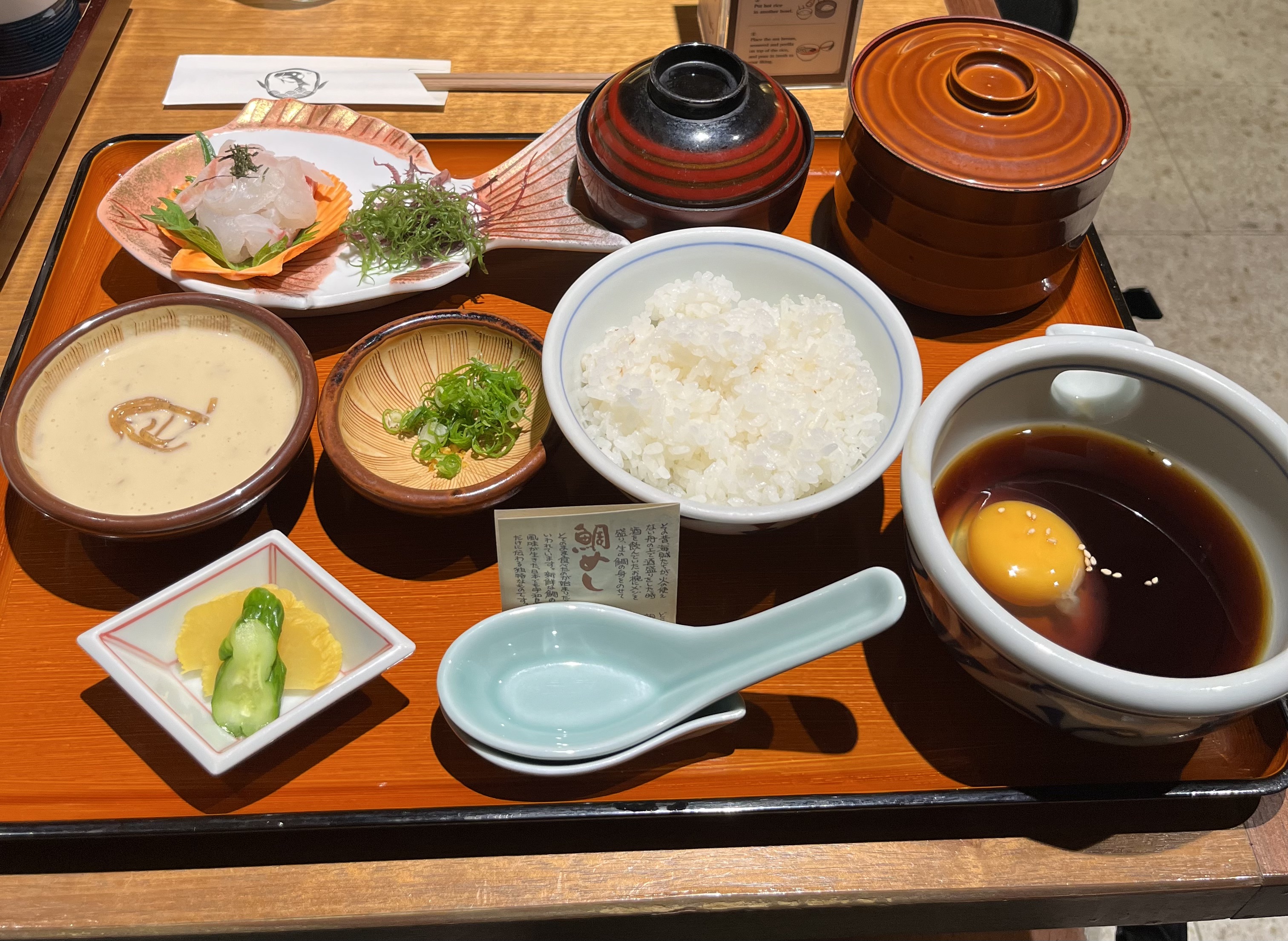
This was my first meal in Japan and the theme of meals with varying flavors and textures was something I grew quite fond of during my trip.
Yakibuta tamago meshi
This simple dish of pork and eggs over rice with sauce is a specialty of Imabari that seems to have been invented by local Chinese restaurants. One of the most popular places for it is Shigematsu Hanten, very much a modest hole-in-the-wall but with delicious food that was far superior to the version I’d had at Matsuyama airport.
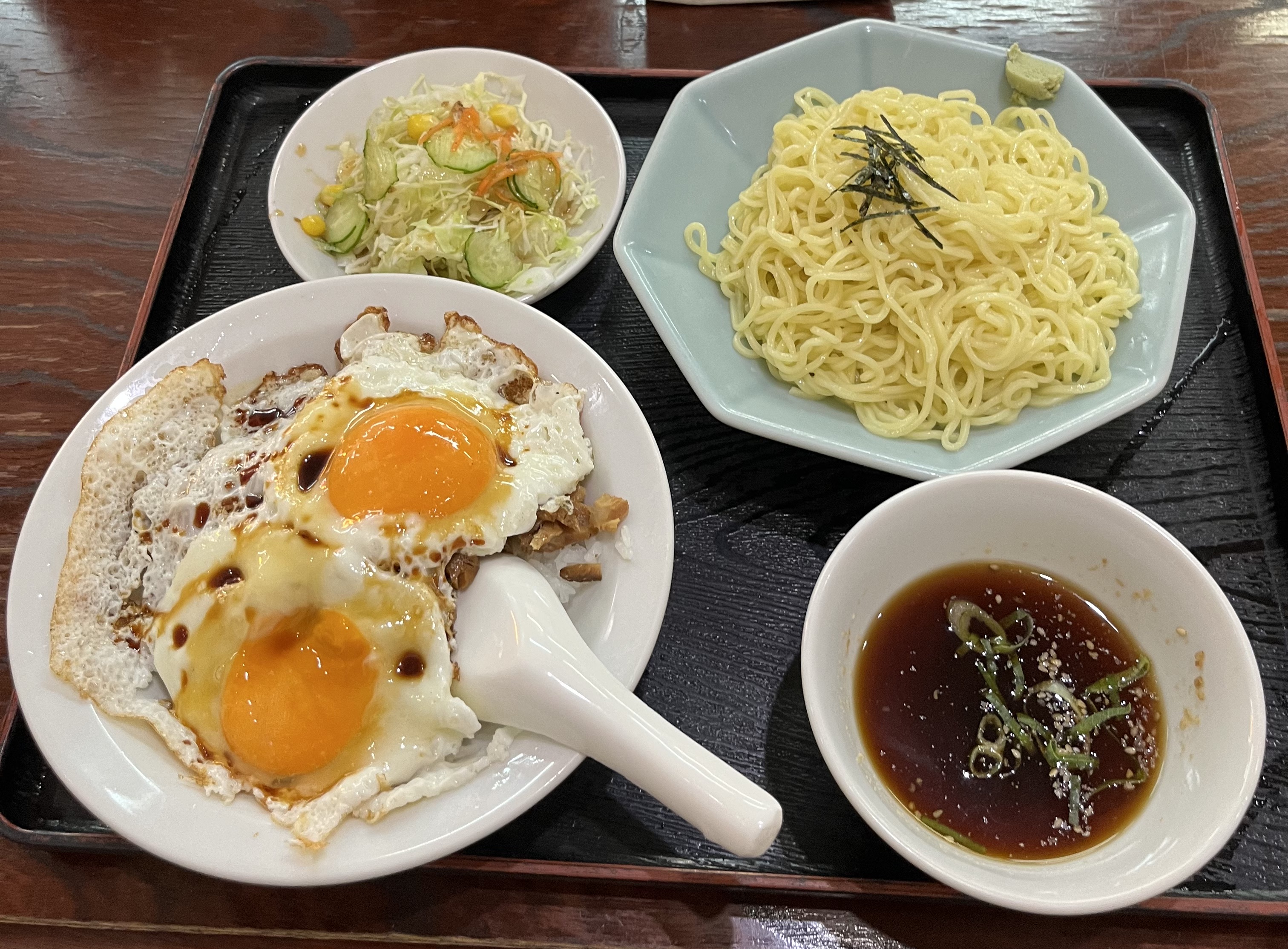
The sweet and sour sauce provided a nice balance to the richer pork and eggs, with the rice soaking up leftover egg and sauce. The set meal came with a small salad and cold noodles that could be dipped in a sweetened soy sauce.
Mikan cake
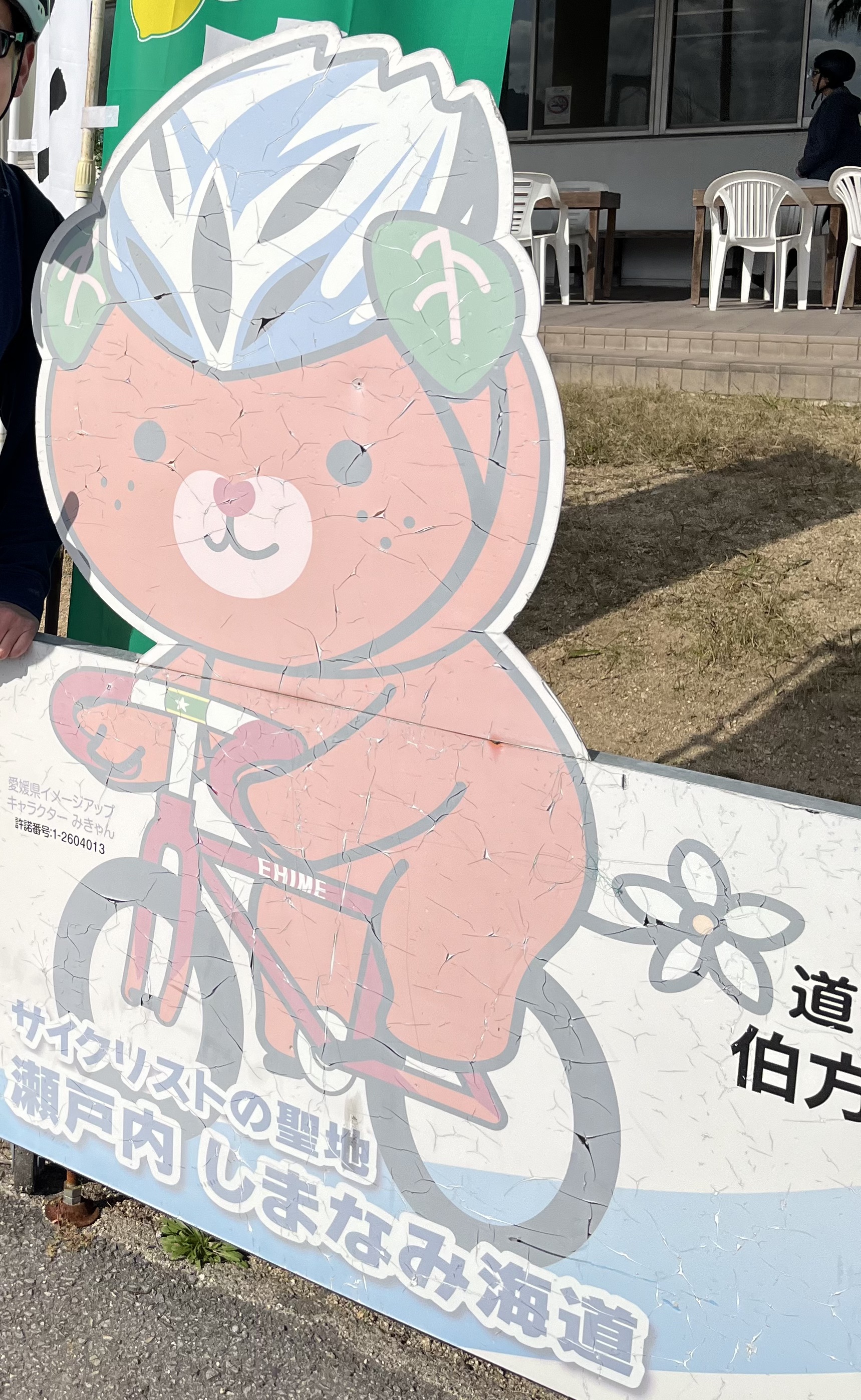
Ehime is so well-known for its citrus that its mascot is a dog named Mikyan, a portmanteau of the Mikan orange variety and kyan (the Japanese onomatopoeia of a small dog barking).
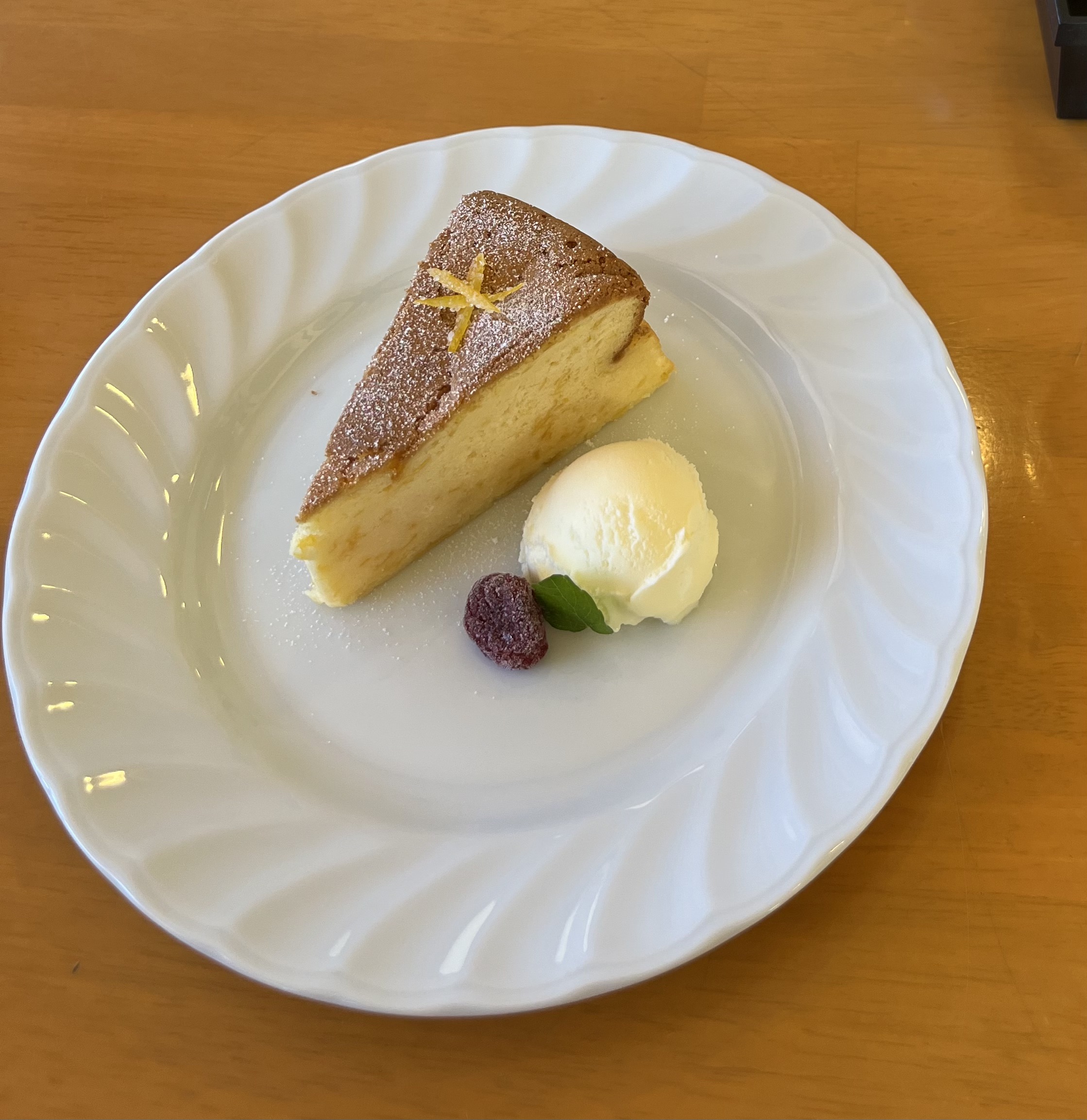
I had various preparations of the orange but my favorite was probably a cake from a small island cafe along the Shimanami Kaido bike path.
Ramen, Onomichi-style
Onomichi, a coastal town in Hiroshima prefecture, has a special style of ramen that uses wide, flat noodles in a soy sauce base and fatback topping.
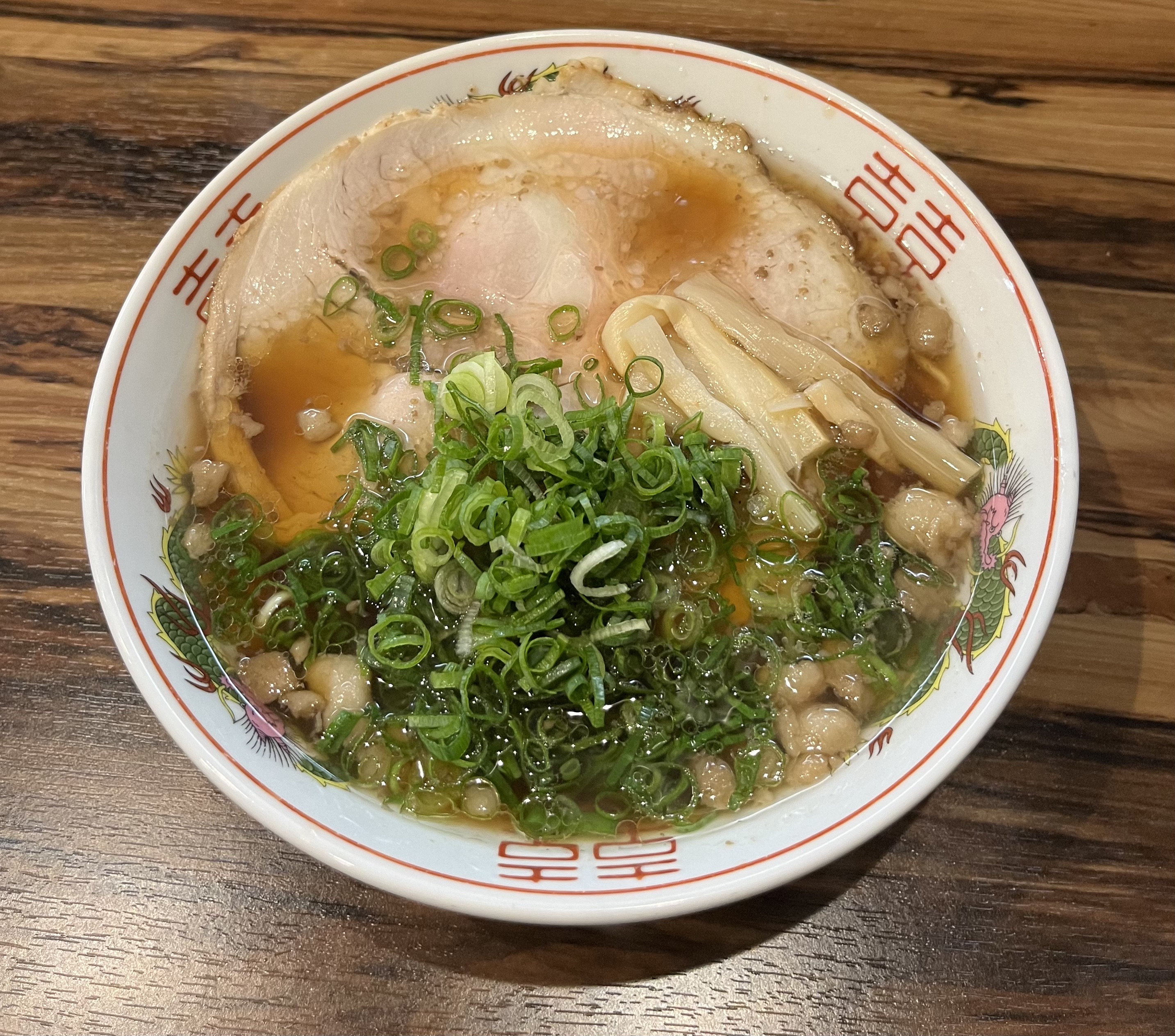
The dish I had at a place called Goichi also included the usual ramen toppings of pork and spring onions. I loved the bold rich flavors, though I didn’t get a chance to try other styles of ramen for comparison.
Anago
While unagi (freshwater eel) is generally the more popular eel consumed in Japan, Hiroshima is known for its preparation of anago (saltwater eel). On the Hiroshima bay island Itsukushima, popularly known as Miyajima, is the restaurant Fujitaya, where they specialize in anagomeshi (eel over rice).
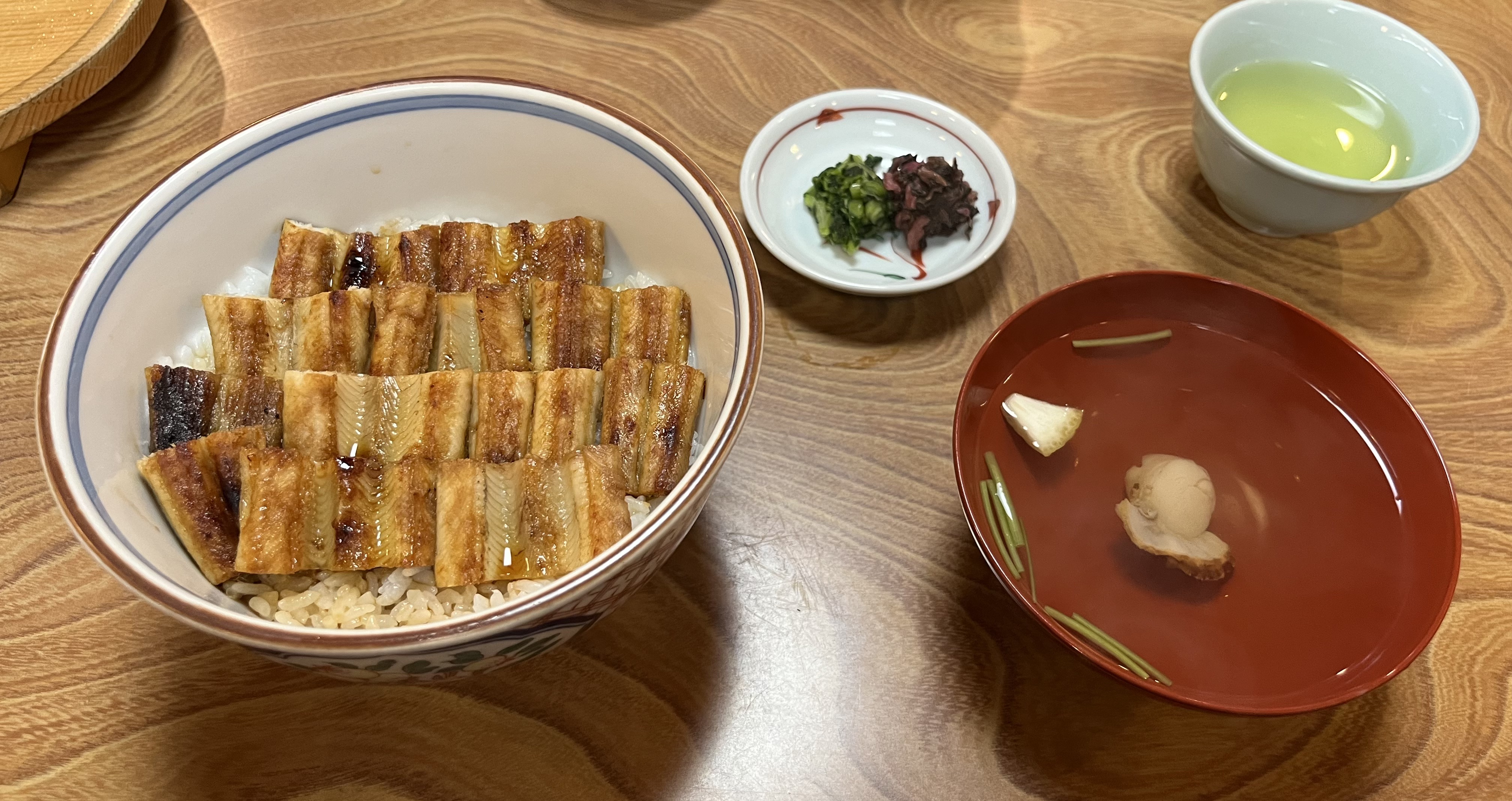
Saltwater eel is leaner than freshwater eel, hence its reduced popularity, but Fujitaya’s preparation was still incredibly flavorful.
Okonomiyaki
Okonomiyaki is a sort of savory pancake that’s popular in Osaka, where the ingredients are mixed together before cooking. In Hiroshima, the style is to layer the ingredients, resulting in those in the middle being steamed rather than grilled to provide more textural contrast.
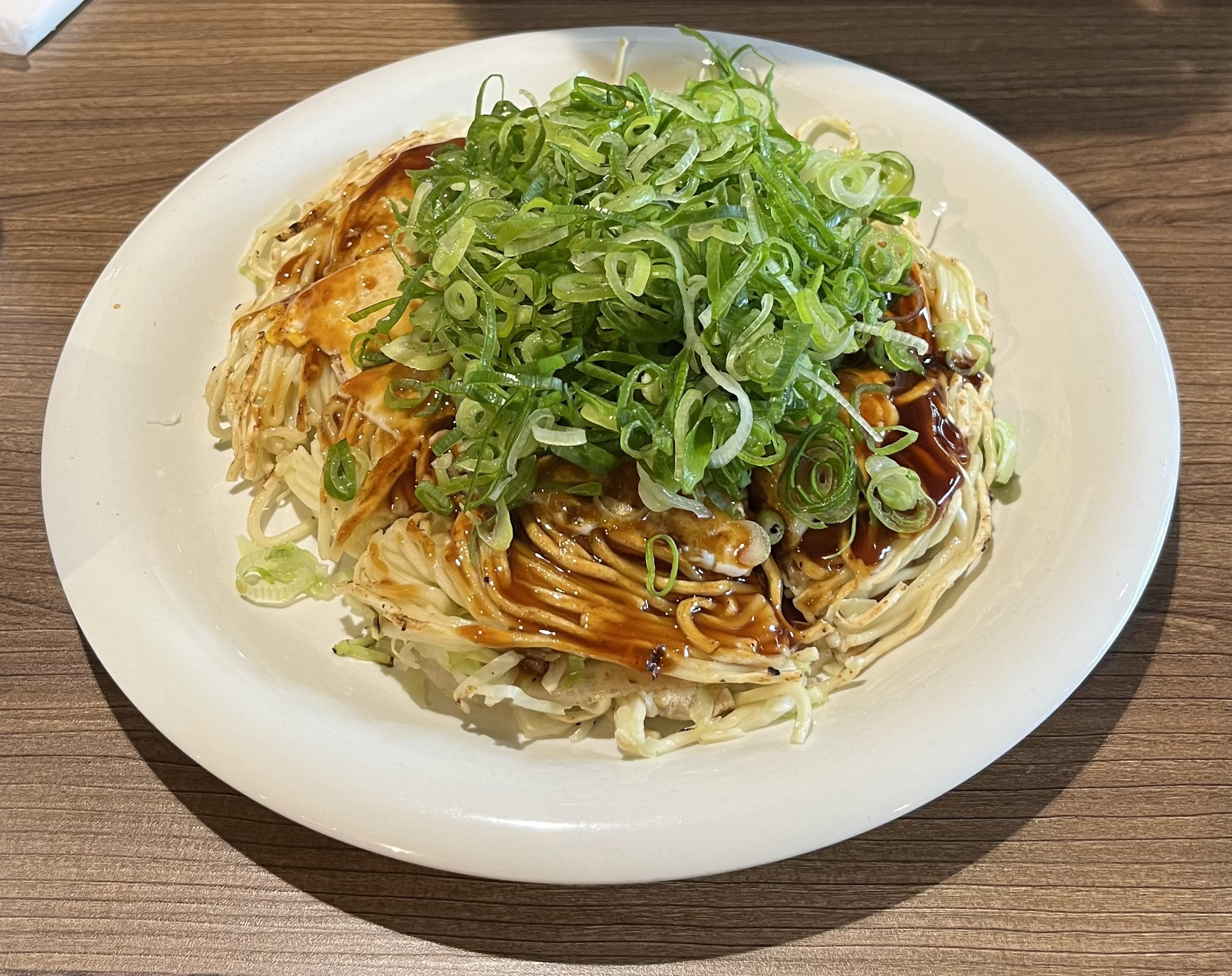
The overall result was tasty. However, this dish was from a food hall near the Peace Memorial Park that clearly catered towards tourists. The food and price were not bad, but I’m sure there are better places to find the dish.
Ogura toast
Nagoya, despite being Japan’s second largest city, is not a particularly popular tourist stop. But anyone planning a trip there should be sure to try their cafe specialty ogura toast. Sweet red bean paste (ogura) is spread over thick cut milk bread and topped with either butter or whipped cream and maybe fruit marmalade.
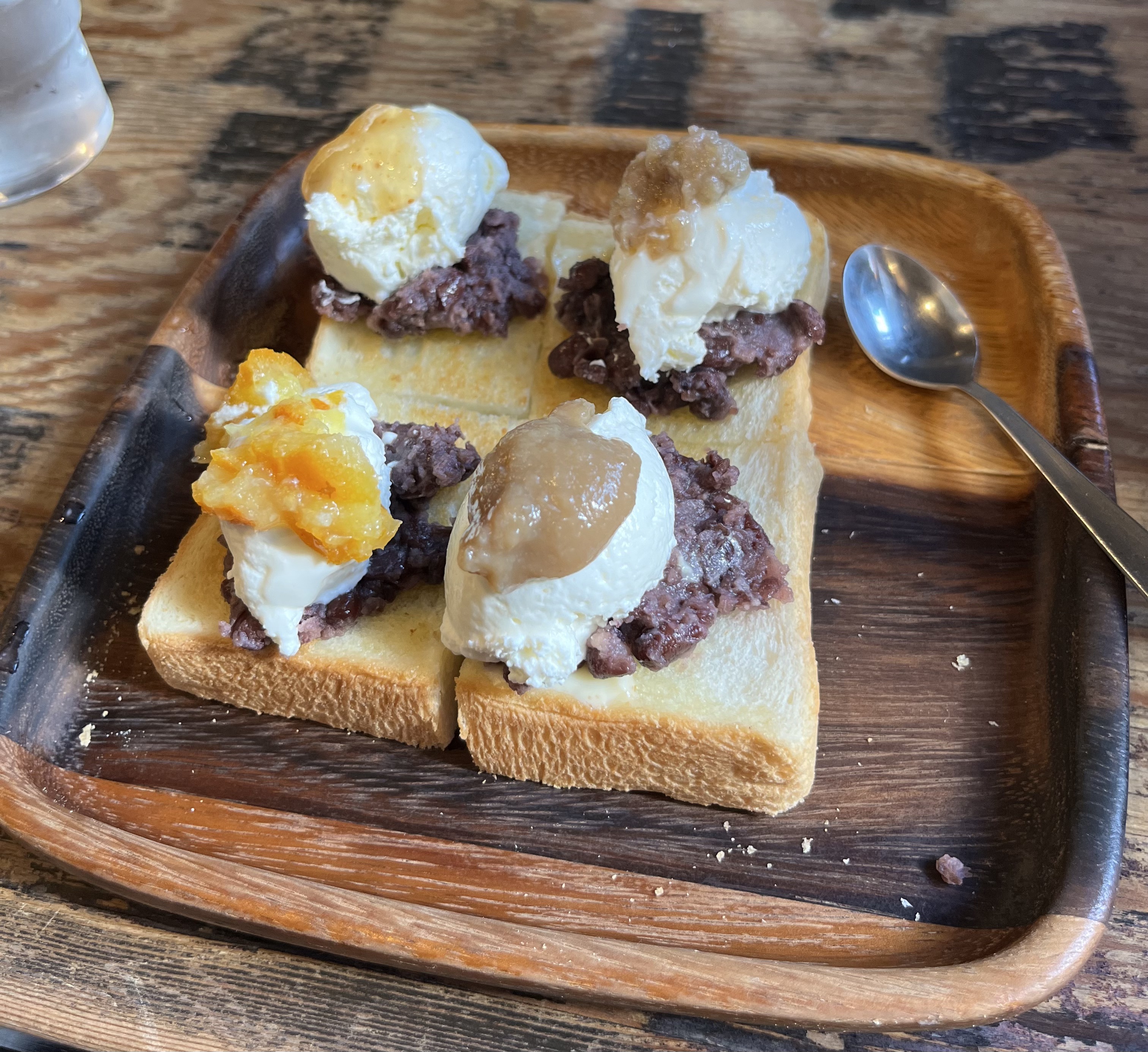
If made in the US the result would likely be too sweet, but thankfully this version was nicely balanced, with minimal sugar in the beans and cream and zesty marmalade to lift the whole dish.
Hitsumabushi unagi
Another Nagoya specialty is their unagi. It is more grilled than other regions, where steaming is incorporated in the cooking process, giving Nagoya unagi a crispier finish. A common regional style is hitsumabushi, which allows for 3 different ways of eating: plain over rice, mixed with condiments (nori, wasabi, etc.), and mixed with dashi broth (or sometimes tea). The prescribed method of eating is to divide the unagi into 4 portions, trying each of the three methods, and then picking your favorite way to finish the final portion.
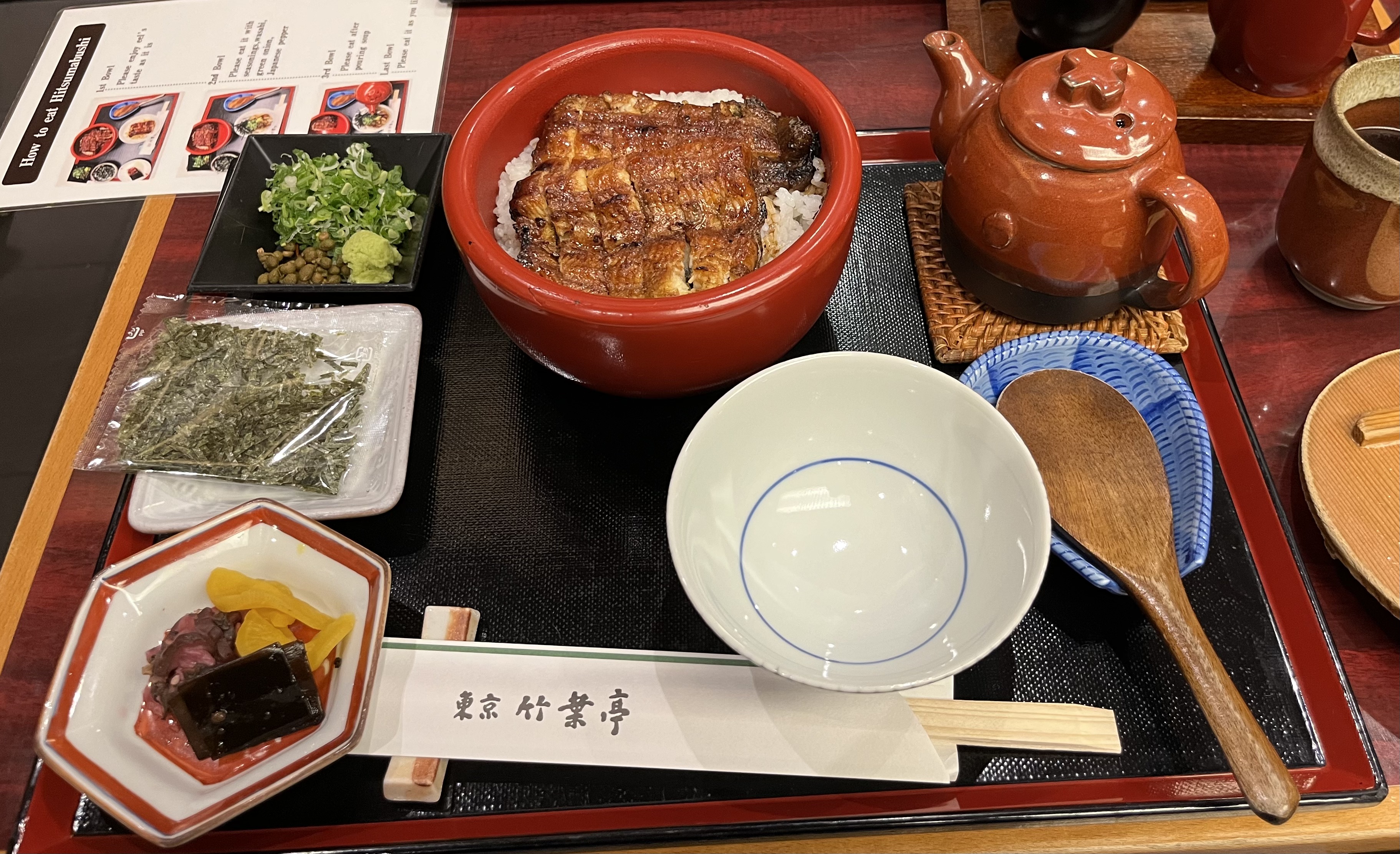
This unagi restaurant was located in Nagoya Station, so much like with the okonomiyaki it probably wasn’t the absolute best version Nagoya has to offer. Nevertheless, I had a lot of fun with this regional preparation.
Red miso tofu
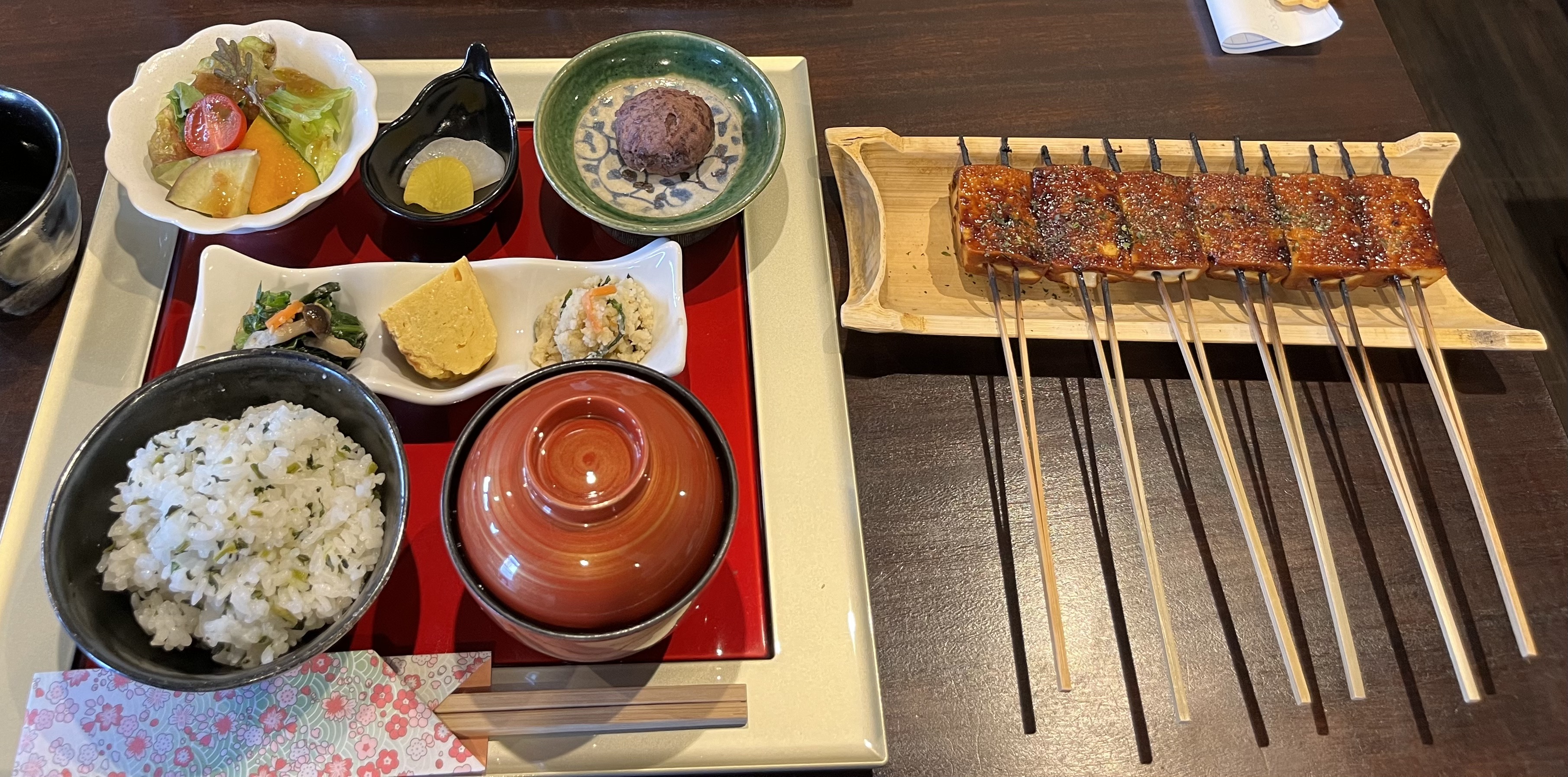
Aichi prefecture is known for its red miso. In the small town of Inuyama, near its historic castle (the tower of which is one of only 12 remaining from pre-modern times), there is a small restaurant that specializes in cooking tofu with red miso.
If made in the US the result would likely be too sweet, but thankfully this version was nicely balanced, with minimal sugar in the beans and cream and zesty marmalade to lift the whole dish.
Hida beef
In the mountains of Gifu Prefecture is the hot springs town Gero, where wagyu beef from nearby Hida is served in both high end ryokan inns and street food stalls.
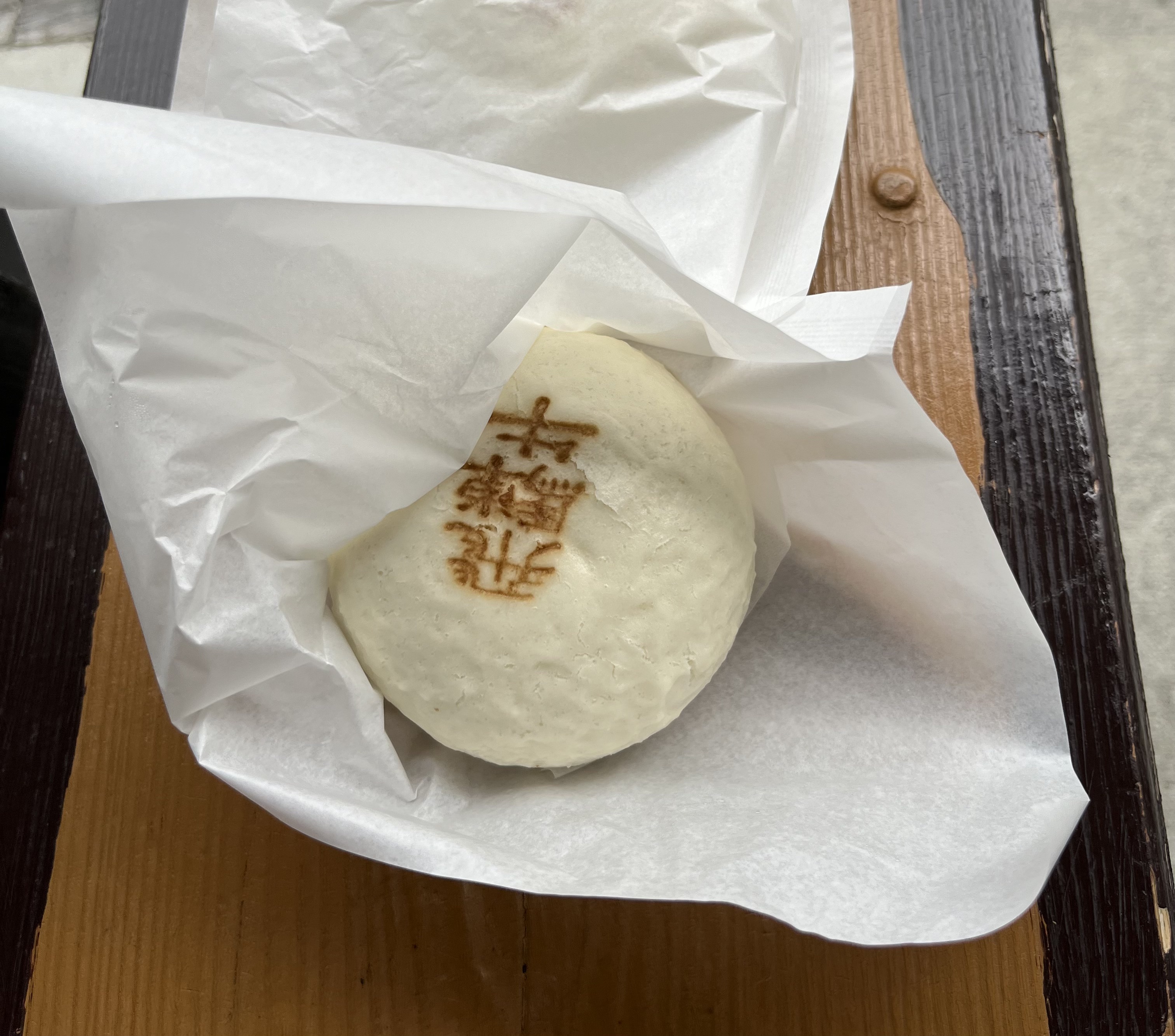
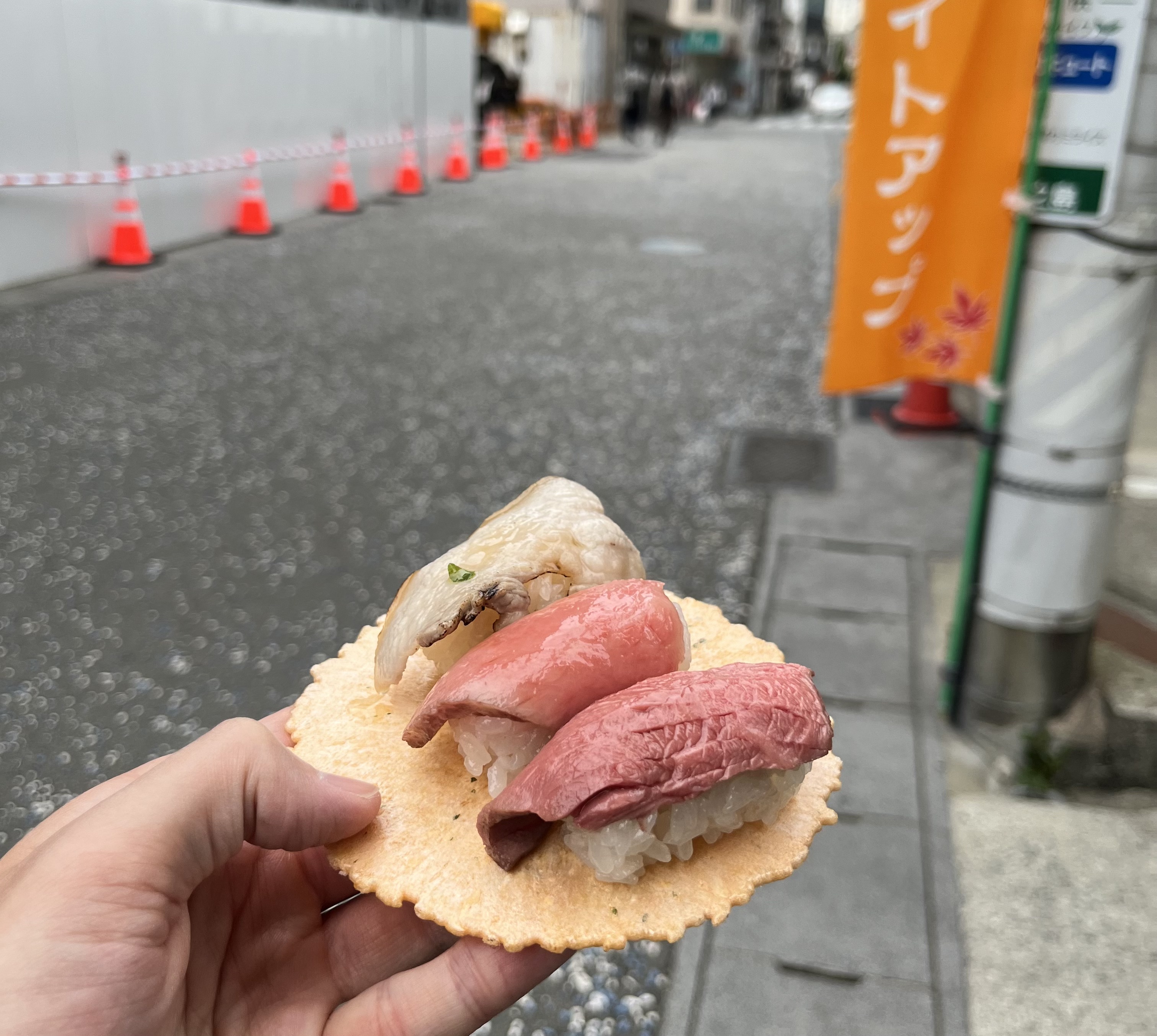
I was able to sample two cuts of beef in nigiri form (along with pork belly, served on an edible rice cracker) as well as a beef bao bun.
While not quite as luxurious as the slab of A5 Hida beef I would enjoy at the ryokan I stayed at that night, these snacks still provided that beautiful melt-in-your-mouth texture that allows wagyu to command the prices it does in the US.
Other foods
The following dishes are ones I found myself ordering multiple times across different regions.
Chicken nanban
Translating to “chicken of southern barbarians”, chicken nanban is basically fried chicken with a slightly sweet tartar sauce. The name serves as an homage to the influence of Portuguese traders (who first arrived at Japan’s southern shores) that brought techniques of frying food and serving with vinegar-based sauces.
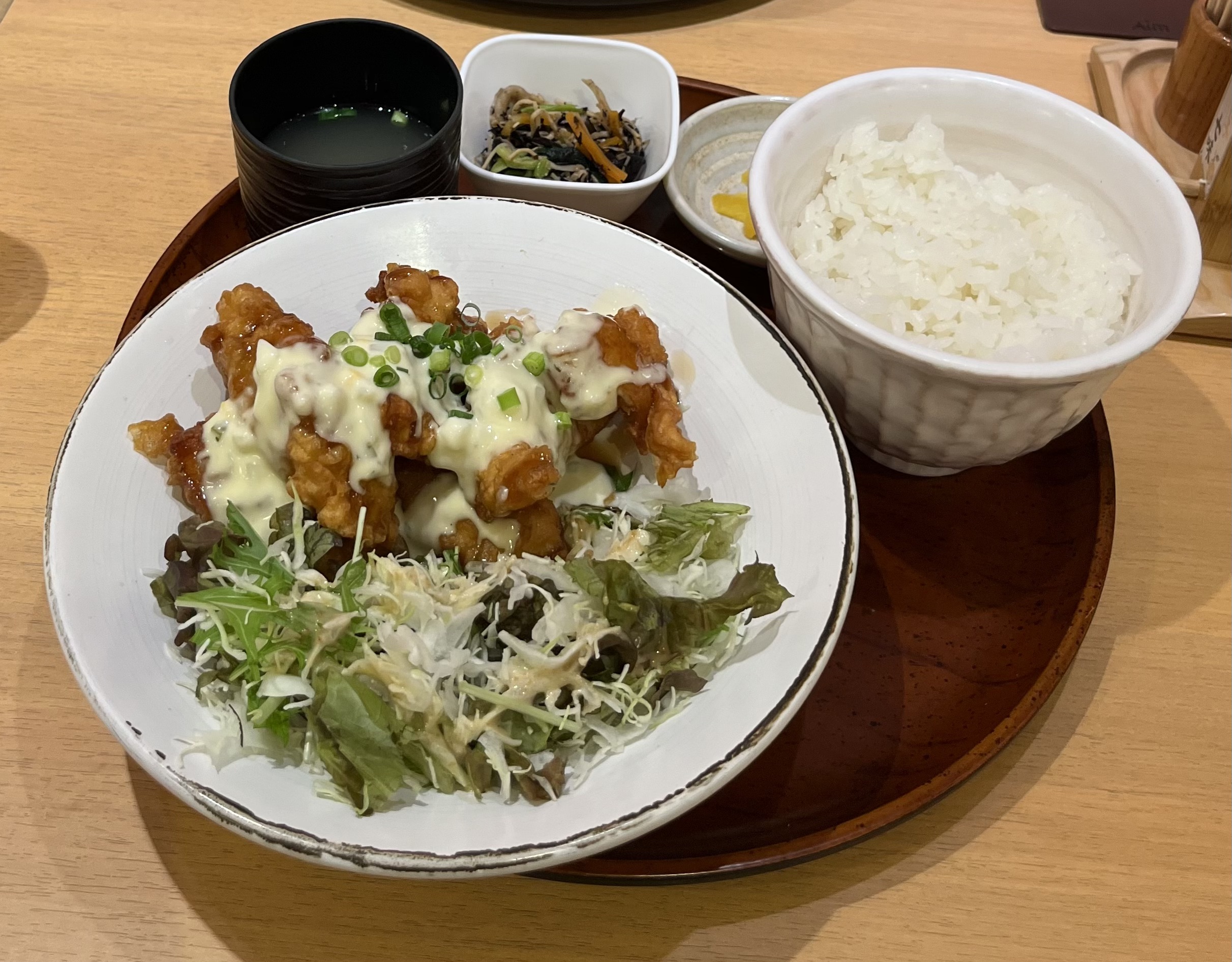
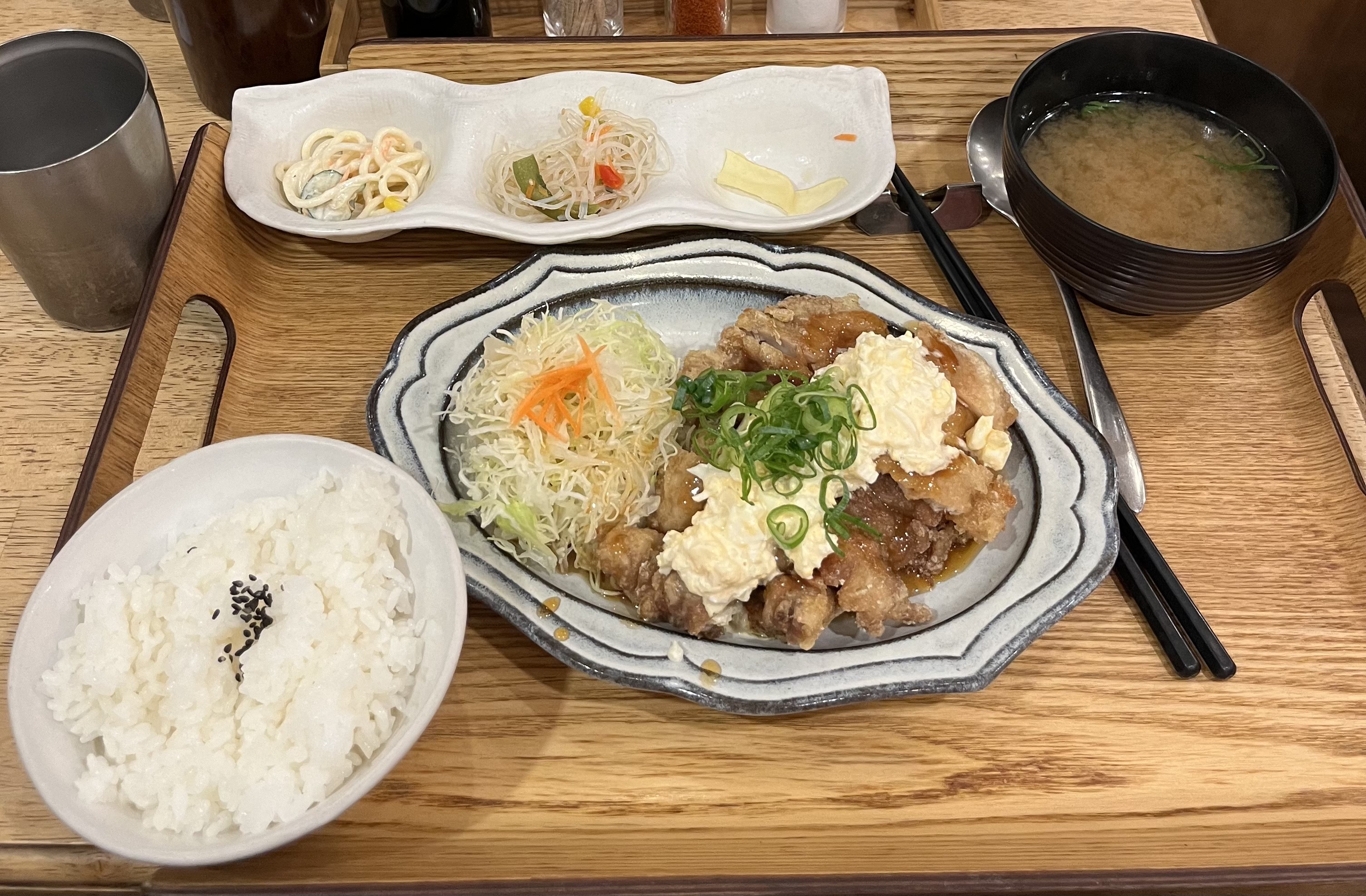
Part of my enthusiasm for this dish comes from a general preference of eating fried chicken with rice, soup, and pickles rather than the usual Western accompaniments. The sauce is a nice upgrade, though not essential to me.
Curry
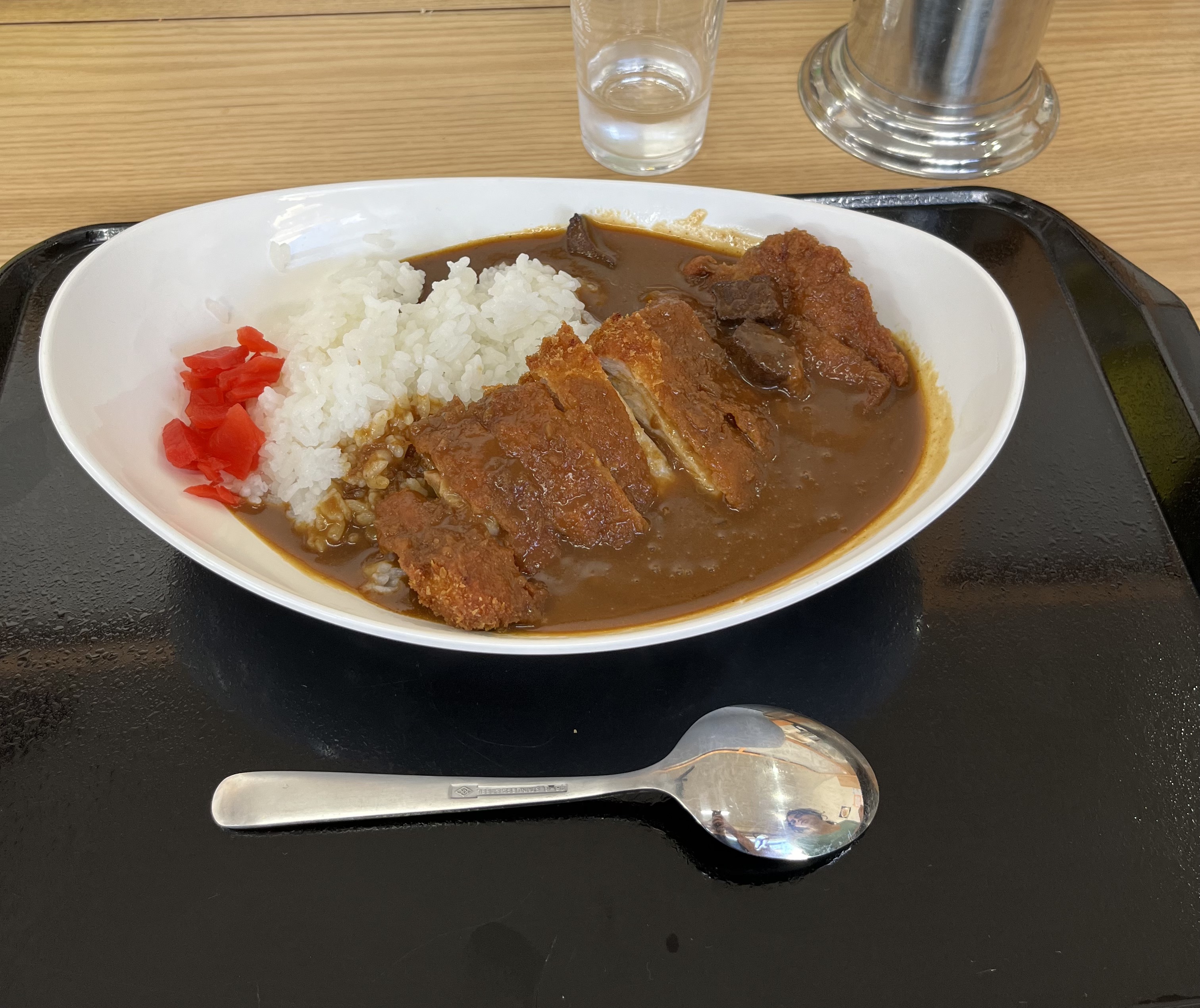
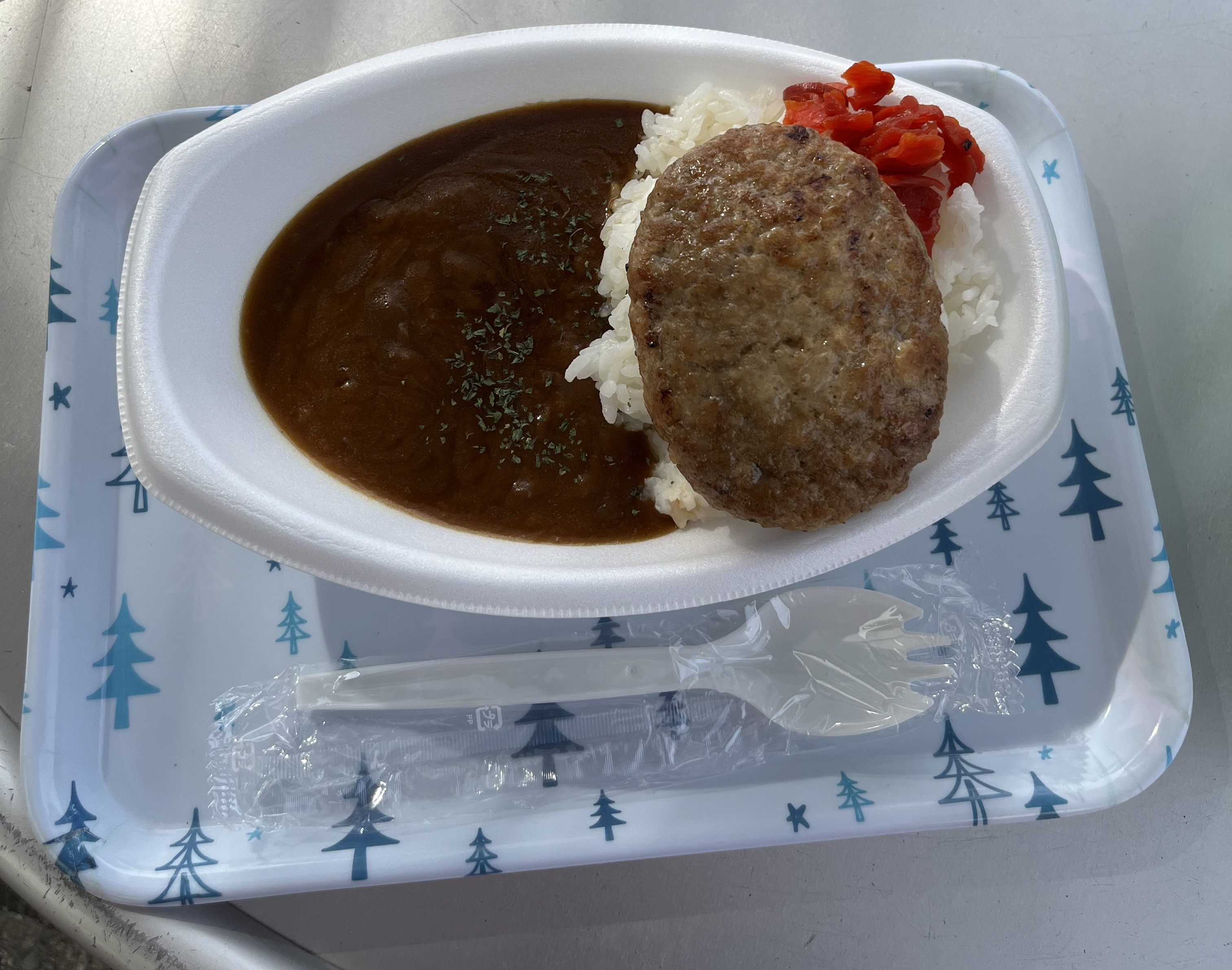
Another dish of foreign influence, curry came to Japan from India by way of the British navy, changing along the way in a sort of cultural game of telephone. While the Japanese version hardly resembles its origins, it’s no less tasty.
Convenience store onigiri
But the single thing I found myself eating more than anything else was the convenience store onigiri. Like so many tourists before me, I fell in love with the snack of rice wrapped in still-crispy seaweed with filling (my favorites were tuna mayo, smoked bonito, and pickled plum). At less than a dollar each, the value for money of these was unbeatable as was their ubiquity. While the flavor by itself is nothing life changing, I often find myself longing for something that could match its convenience and price while staying equally palatable.
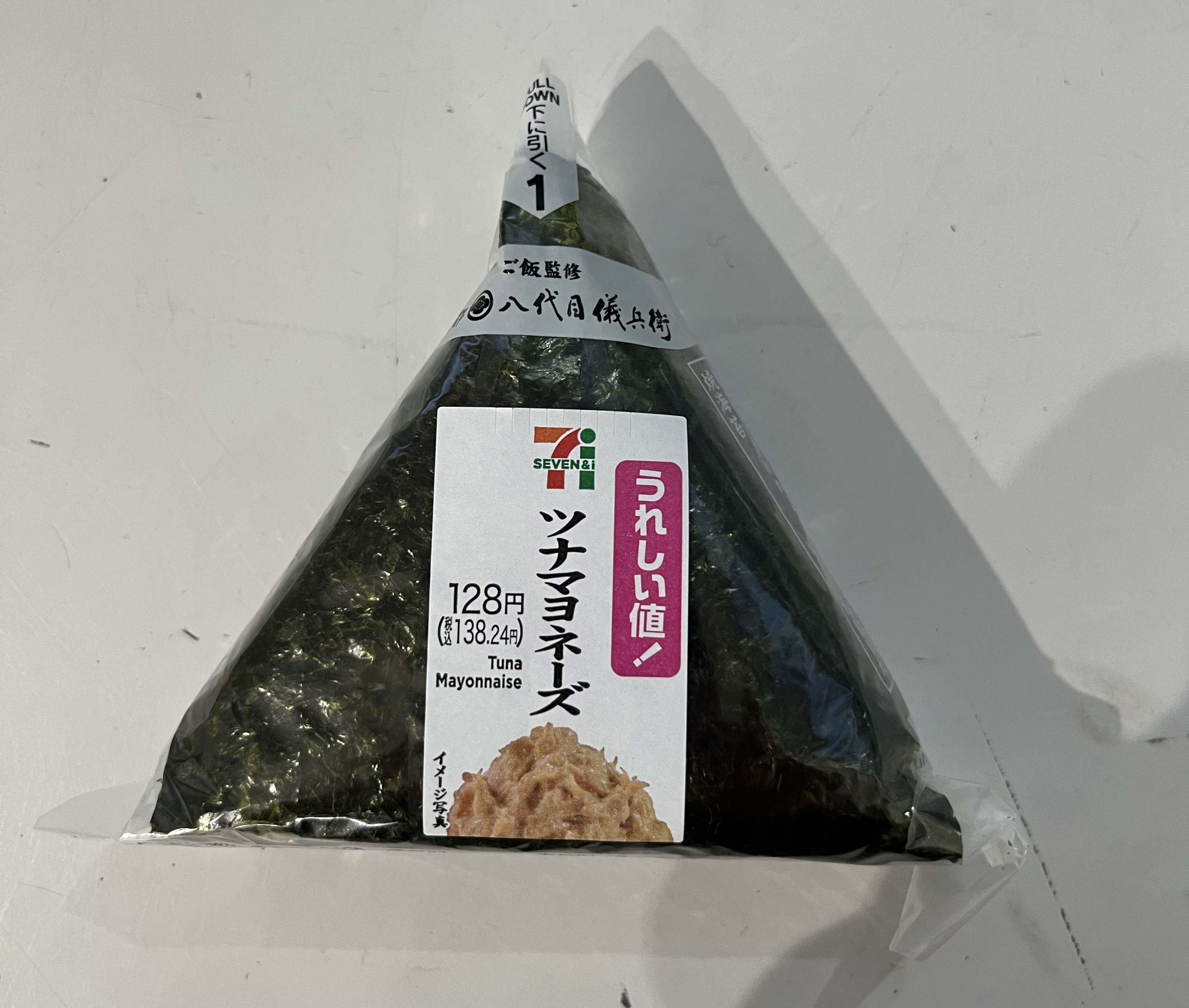
I’m still searching.