
Matsuyama, Japan
Sushi Ino
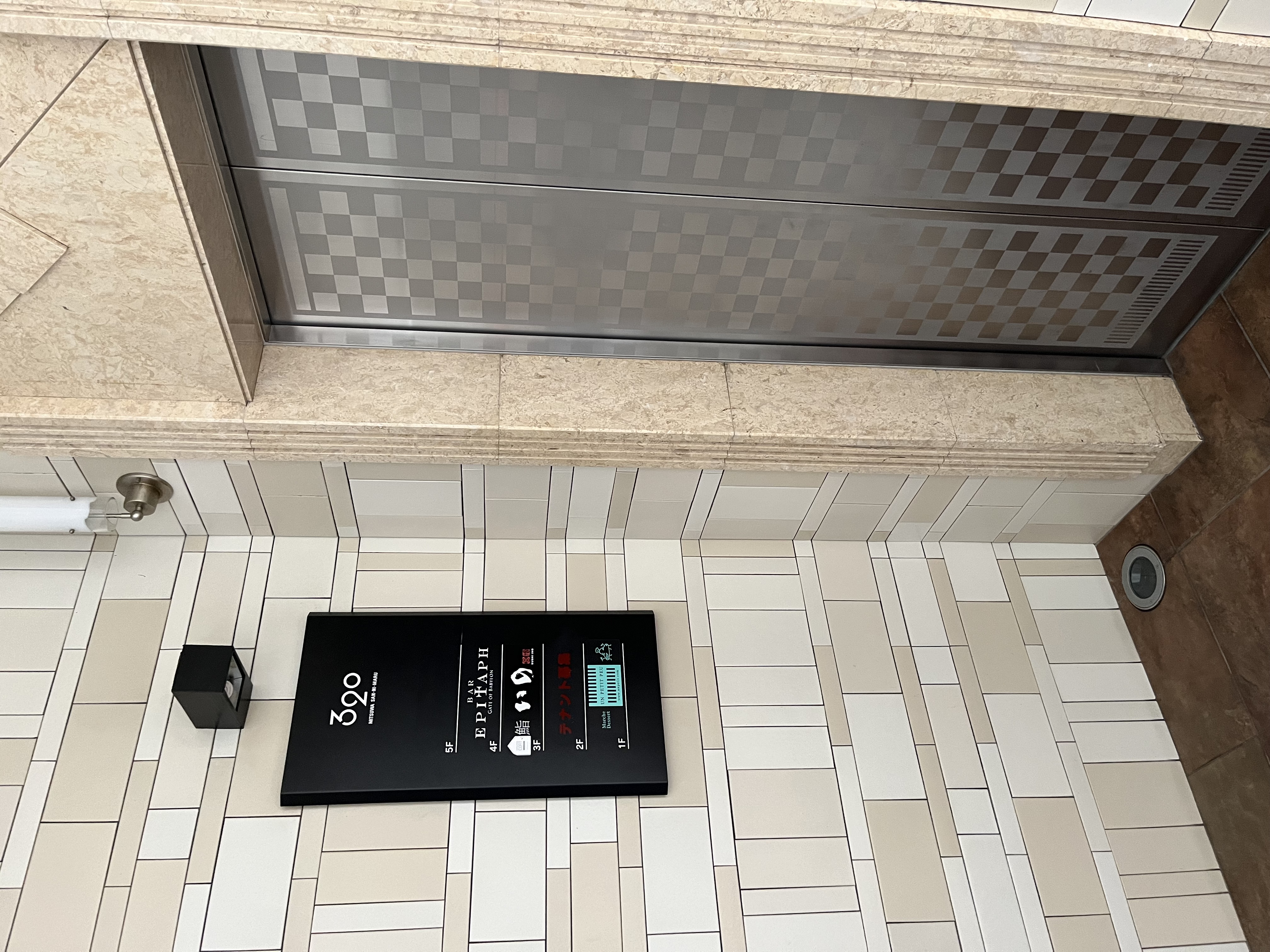
Sushi Ino is a restaurant located in Matsuyama, the capital city of Ehime Prefecture in Japan. The restaurant lies on the third floor of a nondescript office building in a low-traffic area of a city not visited by most Western tourists.
I’ve written about my first experience at a Michelin-starred restaurant being at Noksu in 2025, but there’s a bit of an asterisk to that. Occasionally the Michelin Guide puts out special editions for regions not covered on an annual basis and they’ll even award stars in these guides, with the caveat that such awards are one-offs and aren’t subject to annual reevaluation. The 2018 Special Guide for Hiroshima and Ehime was one such guide and awarded a star to Sushi Ino.
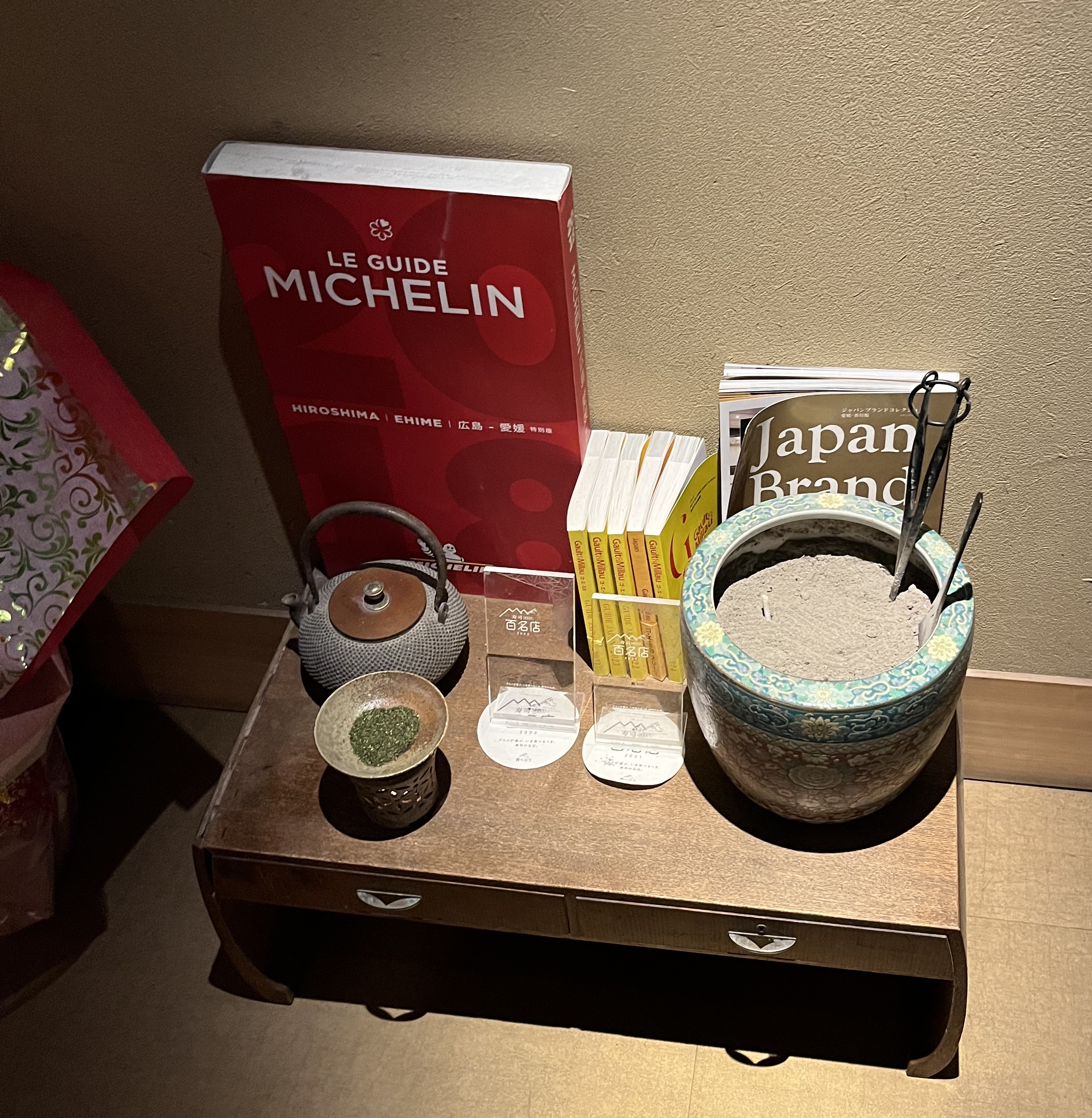
In addition to the special edition star, Sushi Ino also boasts a Gault Millau score of 15.5 (3 toques) and a Tabelog Bronze award. It also holds the more personal distinction of being my first ever sushi omakase.
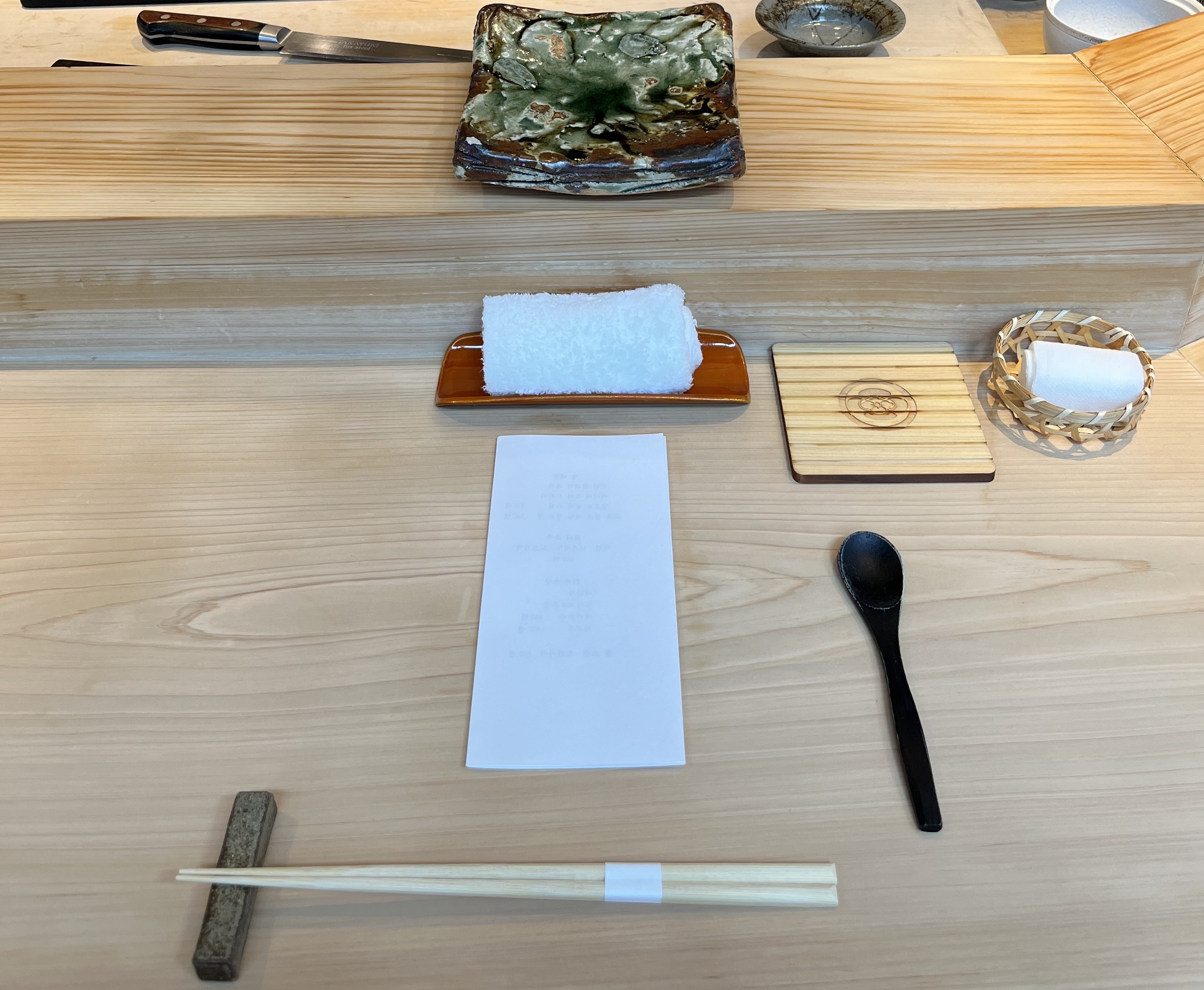
When I arrived at the restaurant, I was shown to my seat at a counter and was surprised to find there was only a single place set for one. The sounds of conversation coming from elsewhere in the restaurant confirmed a situation that I had read about online: I was seated at the sub counter. Sub counters in high end omakase restaurants are secondary dining areas separate from the main counter that are often staffed by a sous-chef. Some restaurants only use them for large parties or for private dining experiences while others routinely use them to offer a discount experience, with diners gaining access to the restaurant’s premium ingredients at a cheaper cost and the sous-chef gaining experience running their own counter. More recently, anecdotal reports online suggest an increased use of the sub counter as a way to sequester gaijin (foreigners) to a separate area so that the head chef can focus attention on regulars and Japanese speakers.
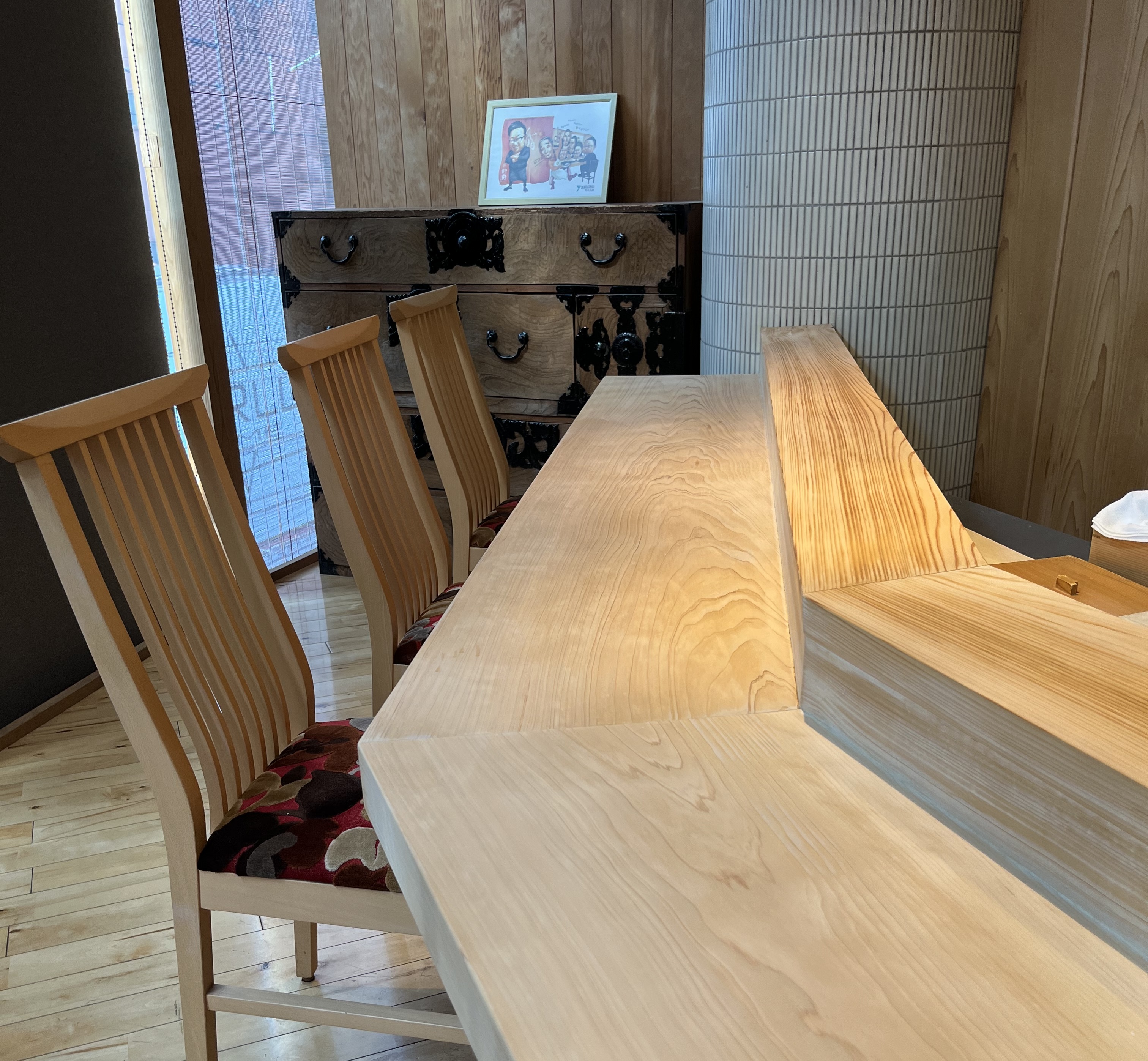
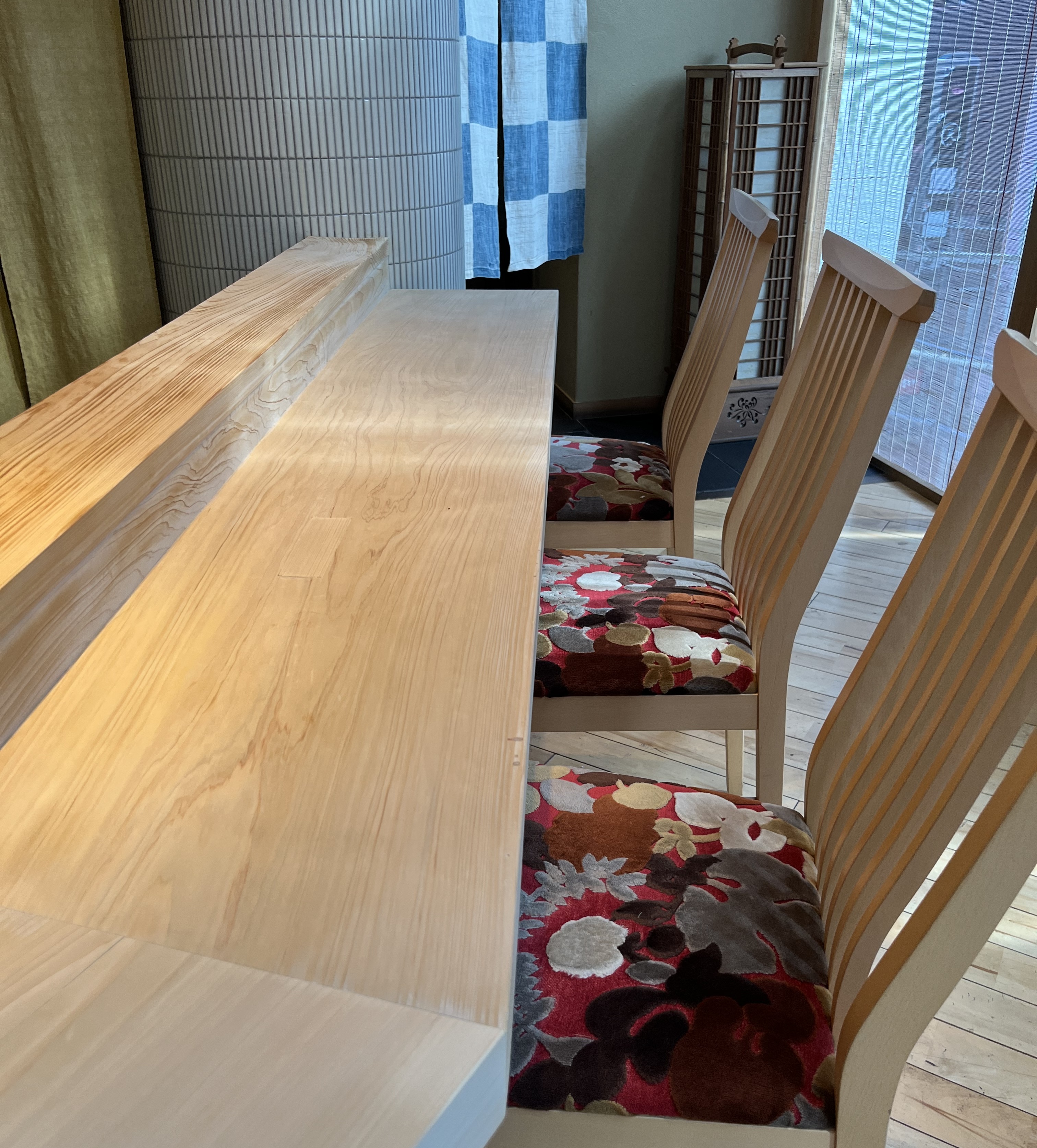
Regardless of the reason, I was actually a bit relieved that my first omakase would be in a private setting since it removed any concerns of accidental faux pas. As I settled into my seat and placed my drink order, someone stepped behind the counter. It was Chef Yusuke Ino himself! He gave me a small bow and unceremoniously got to work preparing the first couple of dishes. Then he disappeared, only to reappear later to present a few more courses. It turns out that even though I was seated at the sub-counter, Chef Ino would be serving both me and the main counter. I have no idea if this odd bit of back and forth was typical (or if the chef secretly resented me for having to do this). Nonetheless, if the quality of my meal suffered because of this I certainly couldn’t tell.
The meal
My lunch began with six otsumami (snacks).
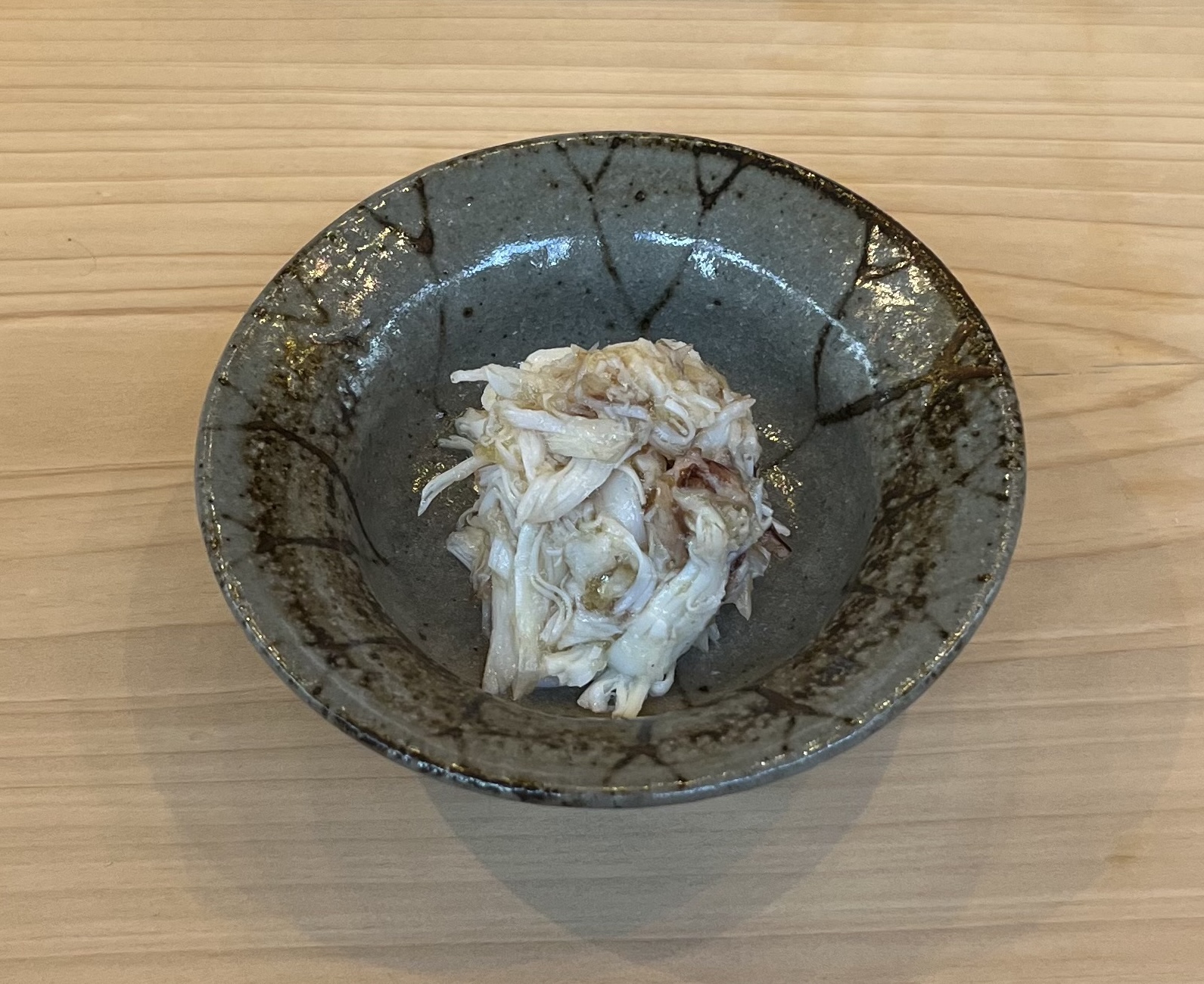
First was a juicy heap of meat from a hairy crab served in a light vinegar sauce.
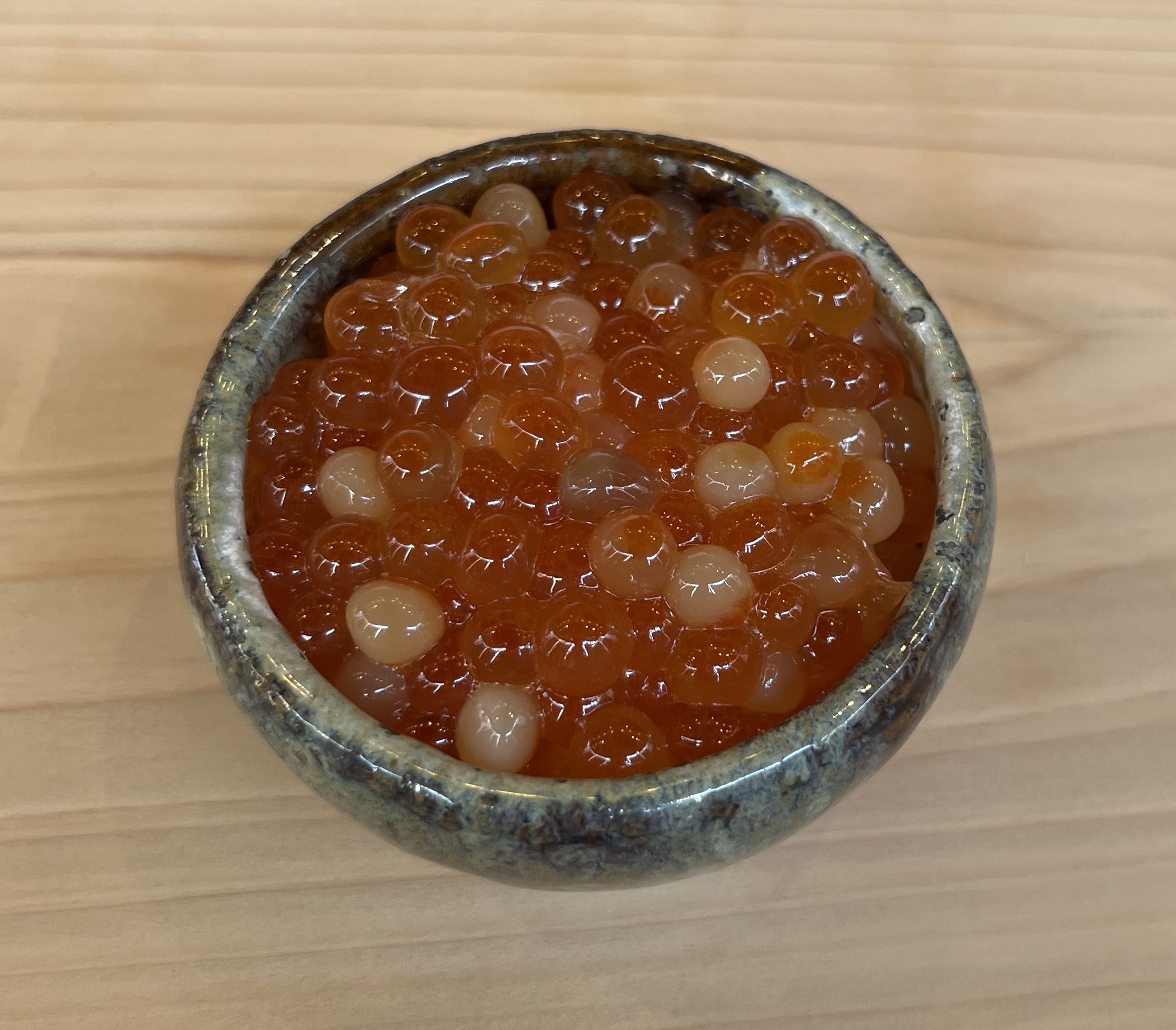
Next came a small bowl of salmon roe served over a bed of shari (sushi rice). The rice had a distinct flavor that had a more pronounced flavor than the other omakase I would try on this trip. I suspect this was due to a higher ratio of red vinegar but I’m not totally sure. In any case, the acidity was noticable and did a great job bringing out the flavor of the roe (and later the nigiri).
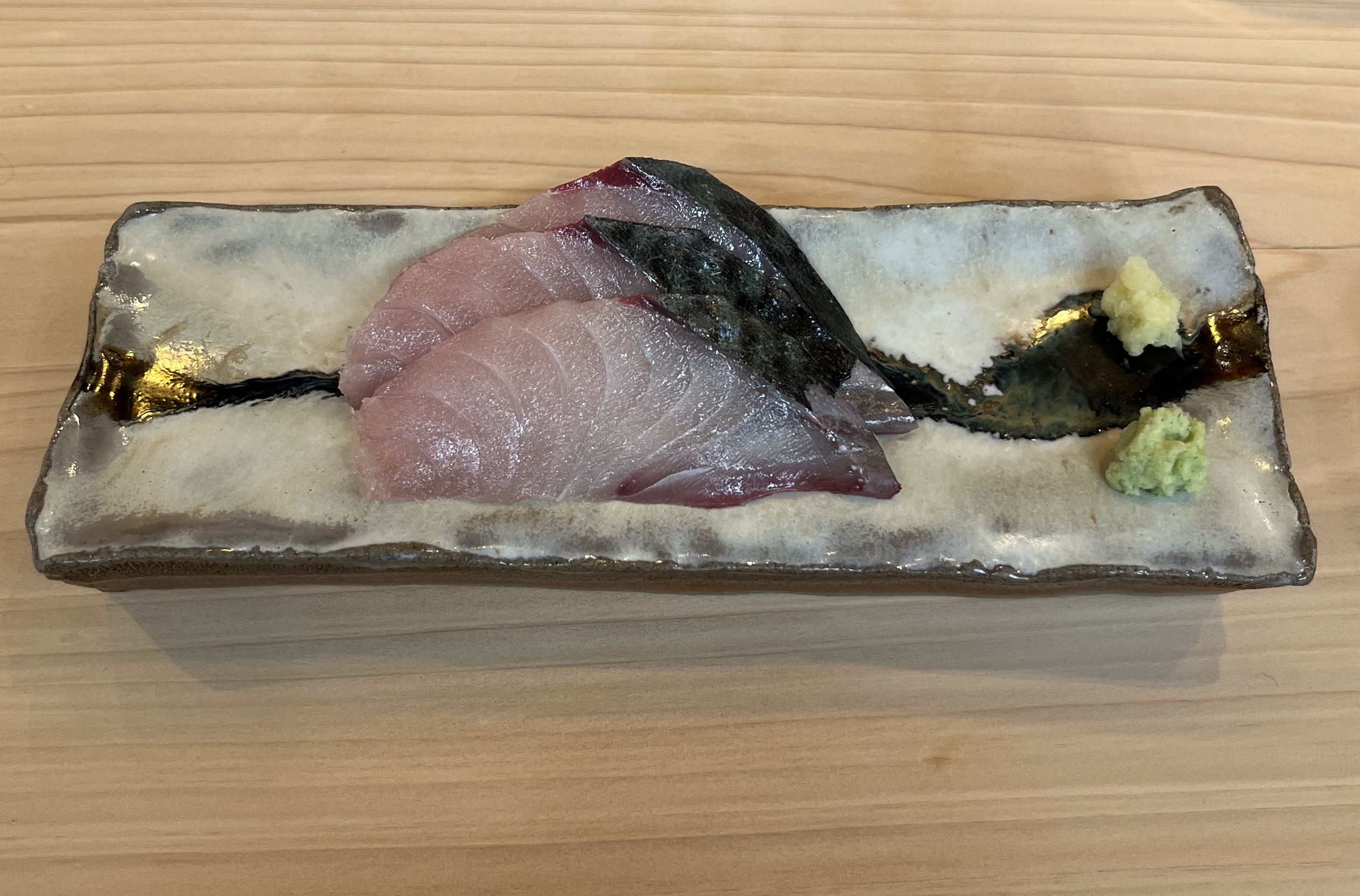
The next course was sashimi and my first taste of freshly grated wasabi. I’m not picky when it comes to wasabi and will gladly eat the green mustard/horseradish paste that is served in cheap American restaurants, but no surprise the sweet grassy flavor of fresh wasabi proved far superior.
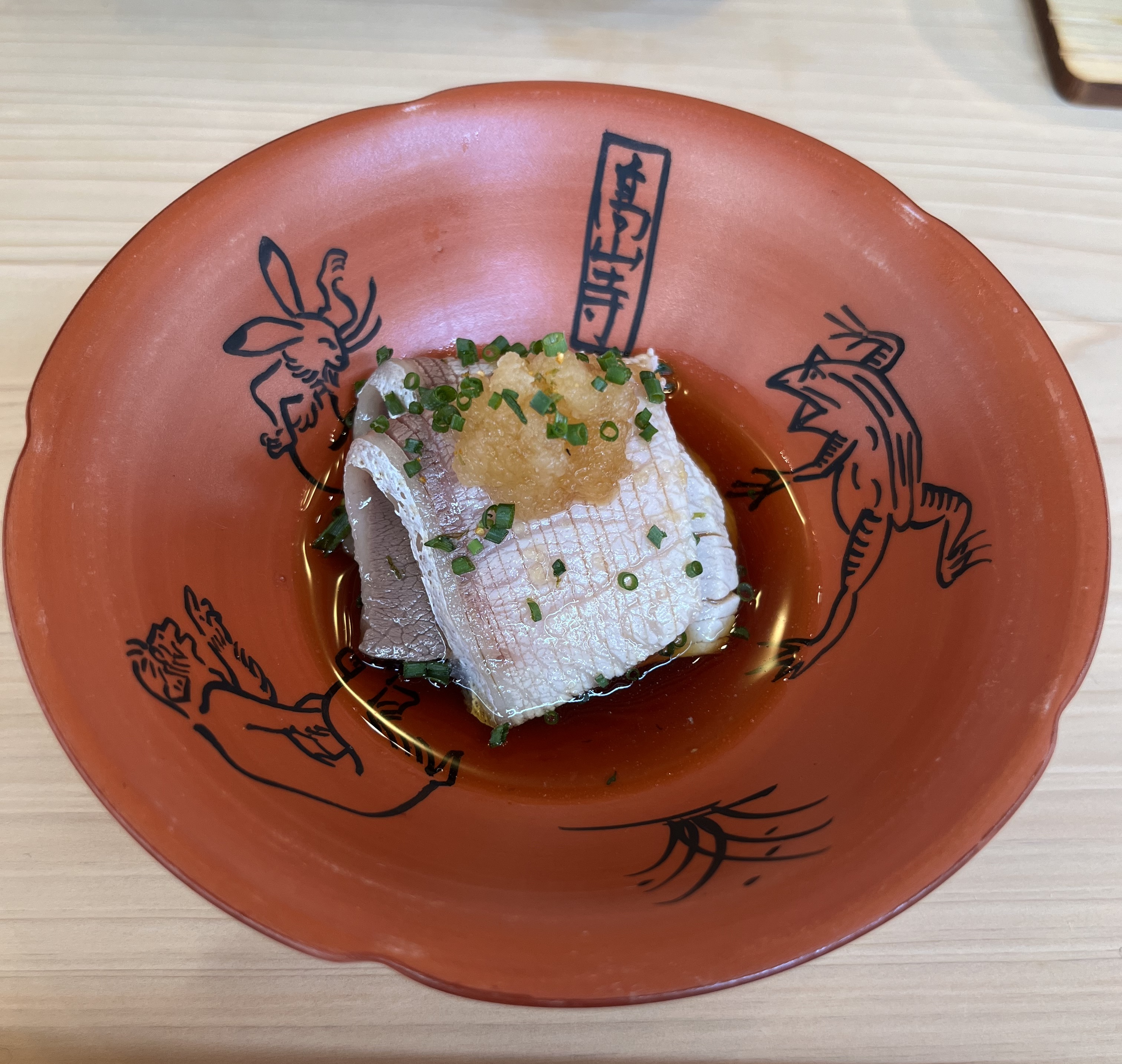
At this point I must confess that since I did not take notes during my meal, I cannot recall the specific type of fish served. I know this piece was steamed, served in a dashi stock and topped with chives and ginger. Even though the specific fish escapes me, I can still recall the melt-in-your-mouth texture of the warm fish and the balance provided by the bright ginger and herbal chives.
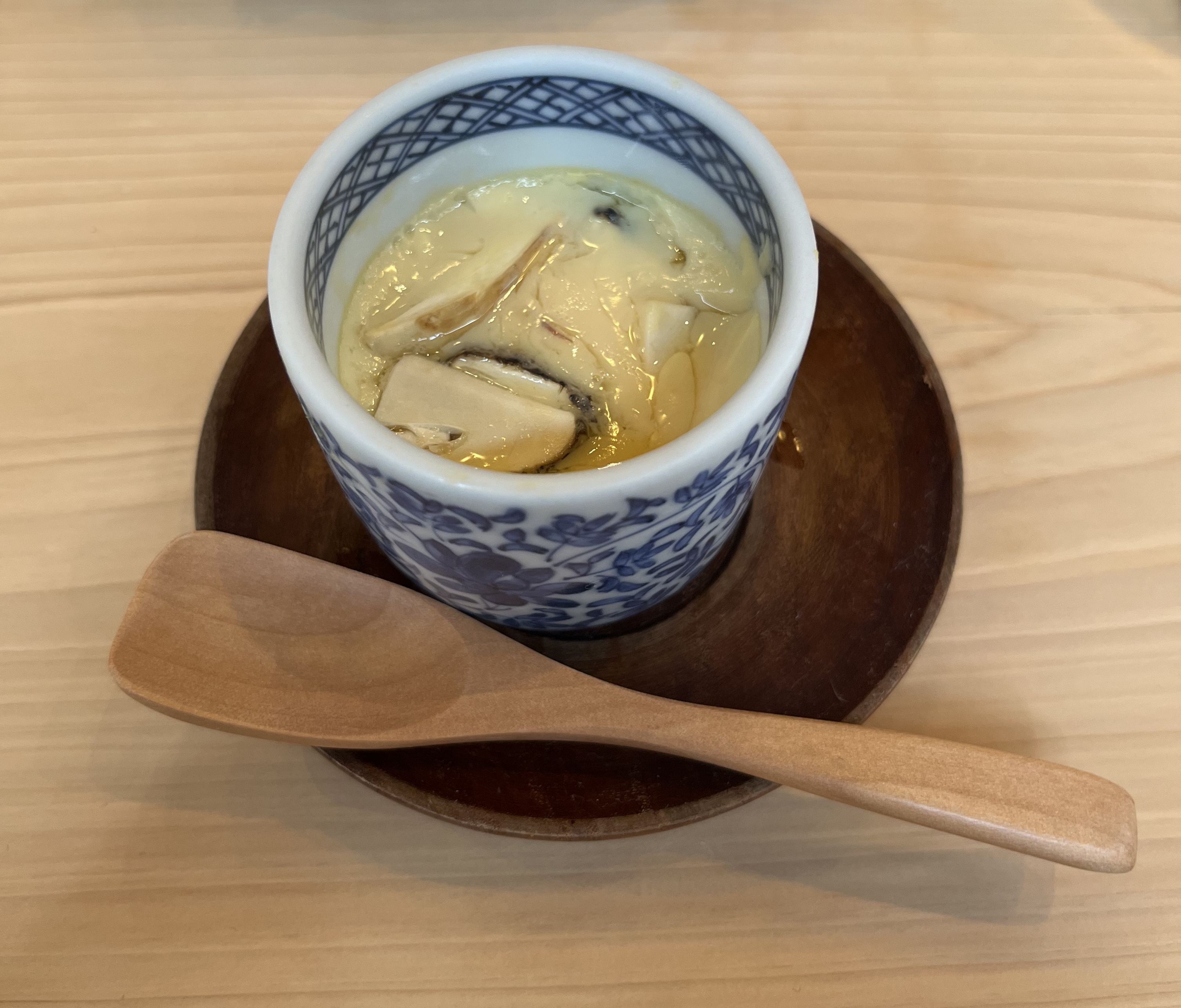
Next came chawanmushi (egg custard) made with big chunks of meaty abalone.
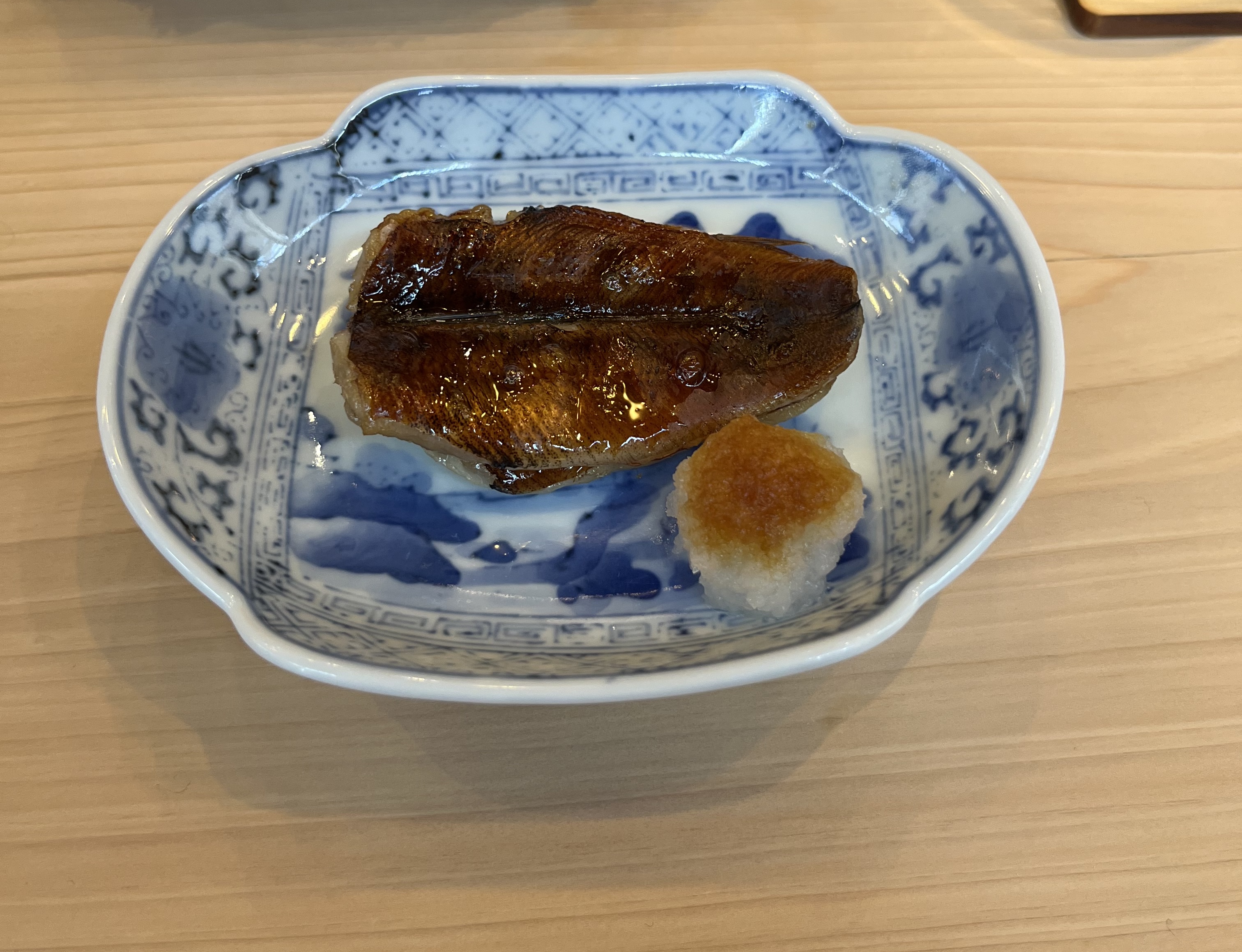
Finally came a grilled piece of tilefish served with grated daikon. The exterior was unbelievably crispy and the inside was, in a stark contrast, smooth and buttery. This was perhaps my favorite dish from the whole meal.
These six appetizers were all delicious and I was impressed by the variety of flavors, textures, and temperatures on display. No doubt this demonstration of different cooking techniques contributed to the restaurant’s various accolades.
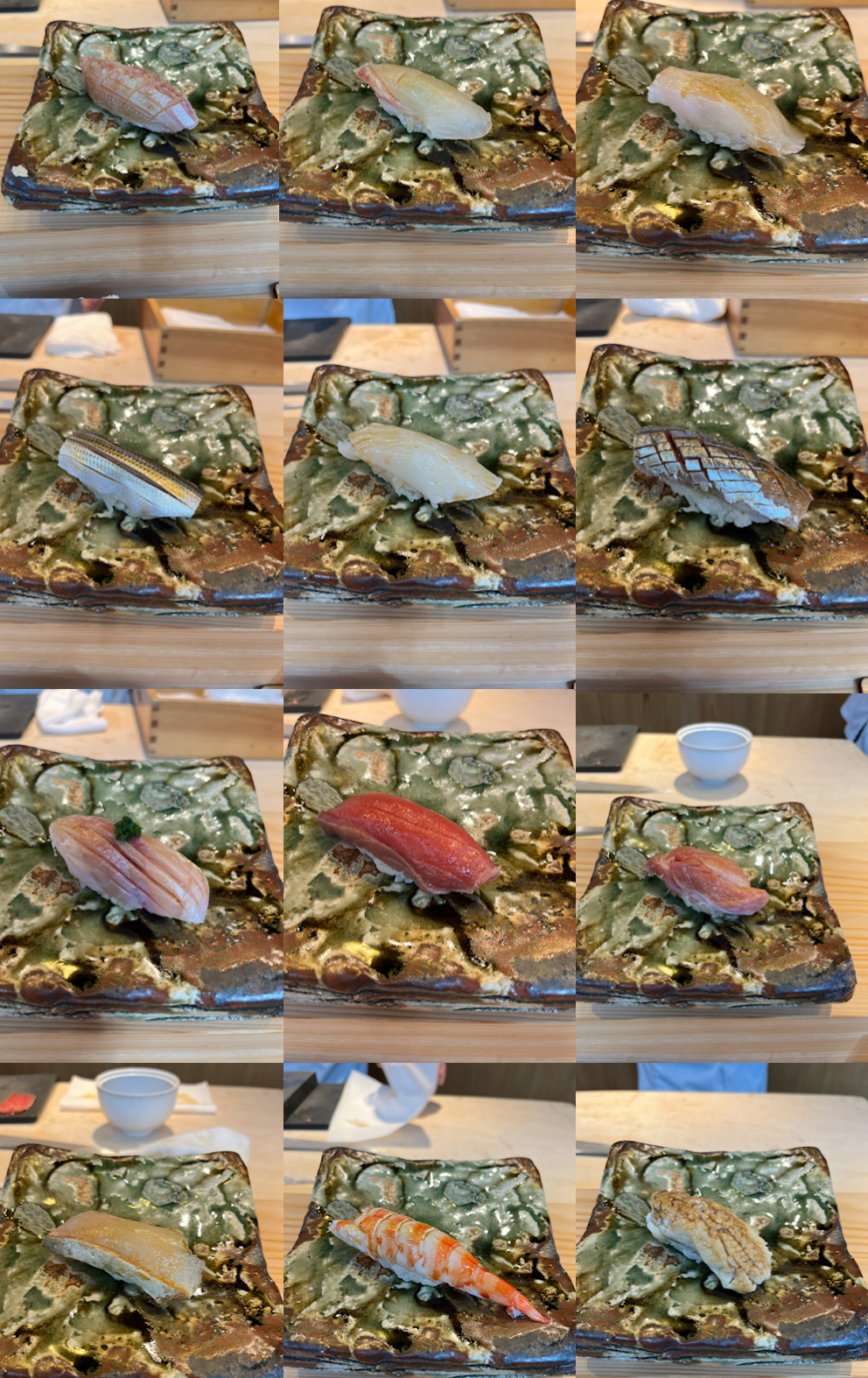
Next came a progression of 12 nigiri. I cannot remember all of the pieces but the ones that stuck in my head include:
- sea bream garnished with local Ehime citrus
- the squid that I found a bit too chewy and the wasabi a bit too strong
- the fatty tuna belly, that melted like butter in my mouth and prompted me to vocalize a slight moan (making the stoic Chef Ino crack a small smile)
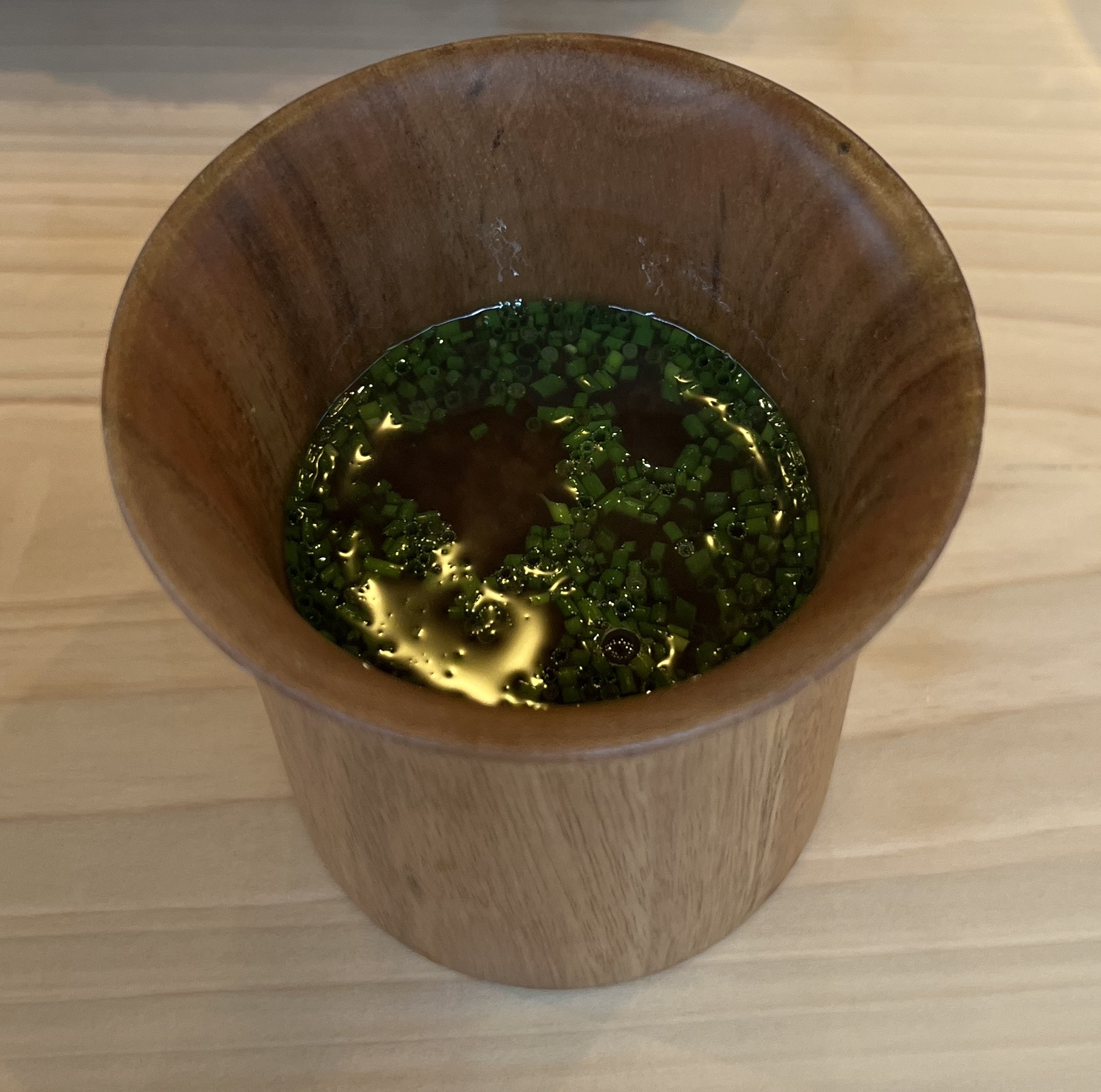
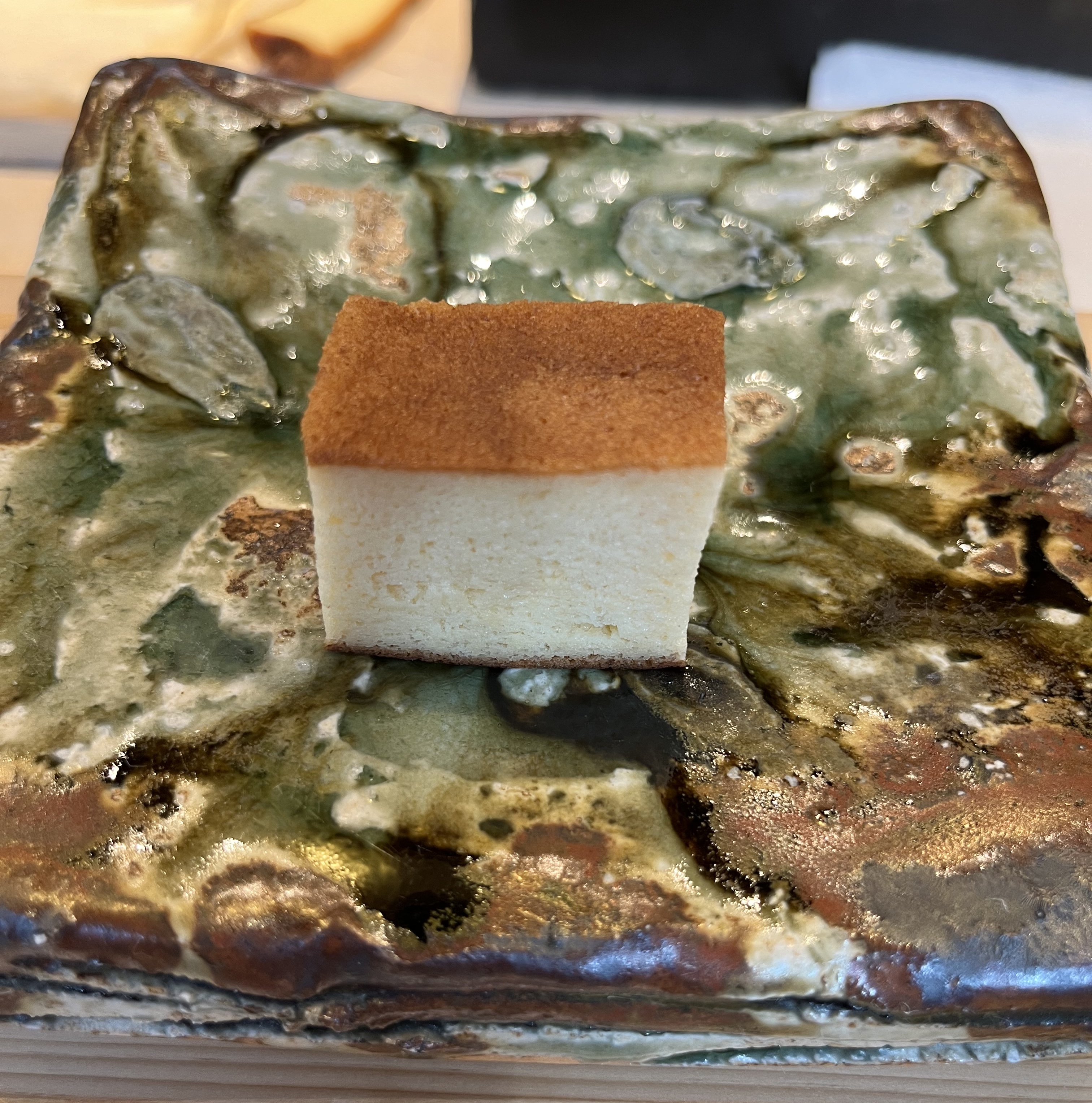
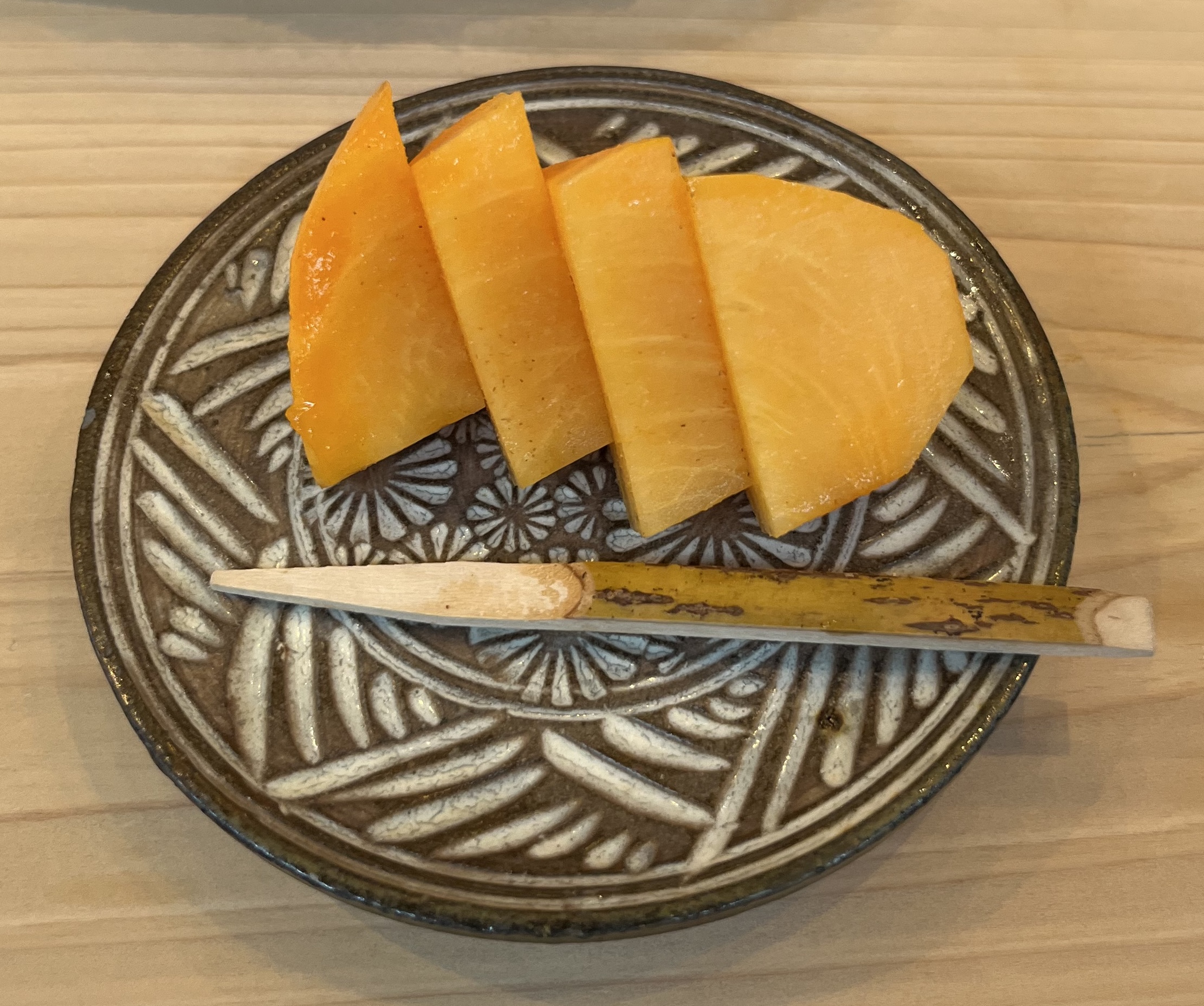
The meal concluded with miso soup, the tamago egg that tasted like a light sponge cake, and a small dish of sliced persimmon.
Final thoughts
Despite my high expectations for my first omakase, my meal at Sushi Ino held up well. In particular, I was pleasantly surprised by how much I enjoyed the appetizers. I’m still not sure if my solo counter experience was a case of “gaijin sequestration” or simply due to the booking platform I used, but in any case I had a good time and appreciated the reduced social anxiety.
All told, the meal cost me the 2024 equivalent of $135 USD. At the time it was the most I’d ever paid for a single meal. Even so it remains, two years after the fact, the cheapest omakase I’ve ever done. I have no idea if I’ll ever find myself back in Matsuyama but if I do, I’d gladly return to Sushi Ino for this level of value.